




Can a Plastic Hopper Dryer be used for conductive plastics?
 Nov 04, 2025|
 Can a Plastic Hopper Dryer be used for conductive plastics?
In the dynamic world of plastics processing, the decision on the right equipment can significantly impact the quality and efficiency of production. As a supplier of Plastic Hopper Dryer, I often encounter inquiries regarding the suitability of our dryers for various types of plastics, including conductive plastics. This blog post aims to delve into this topic and provide a comprehensive analysis.
Understanding Conductive Plastics
Conductive plastics are a unique category of polymers that possess electrical conductivity. They are engineered by incorporating conductive fillers such as carbon black, carbon nanotubes, or metal particles into a polymer matrix. These plastics have gained widespread use in a variety of industries, including electronics, automotive, and aerospace, due to their ability to dissipate static electricity, shield against electromagnetic interference (EMI), and conduct electricity.
The properties of conductive plastics can vary widely depending on the type and concentration of the conductive filler, as well as the base polymer used. For example, some conductive plastics may have a high surface resistivity, while others may be highly conductive. Additionally, the processing requirements for conductive plastics can be more demanding than those for conventional plastics, as the conductive fillers can affect the flow behavior, melting point, and mechanical properties of the polymer.
How Plastic Hopper Dryers Work
Before we can determine whether a plastic hopper dryer can be used for conductive plastics, it's essential to understand how these dryers operate. A Plastic Hopper Dryer is a common piece of equipment used in plastics processing to remove moisture from plastic resins. Moisture in plastic resins can cause a variety of problems, including poor surface finish, reduced mechanical properties, and processing difficulties.
The basic principle of a plastic hopper dryer involves passing hot, dry air through a hopper containing the plastic resin. The hot air heats the resin, causing the moisture to evaporate. The moist air is then removed from the hopper, and fresh, dry air is introduced to continue the drying process. The drying time and temperature are carefully controlled to ensure that the resin is dried to the desired moisture level without causing any thermal degradation.

Considerations for Using a Plastic Hopper Dryer with Conductive Plastics
When considering using a plastic hopper dryer for conductive plastics, several factors need to be taken into account:
1. Heat Sensitivity of Conductive Fillers
Conductive fillers, such as carbon black and carbon nanotubes, can be sensitive to high temperatures. Excessive heat can cause the fillers to degrade, which can affect the electrical conductivity and mechanical properties of the conductive plastic. Therefore, it's crucial to select a plastic hopper dryer that can provide precise temperature control to avoid overheating the resin.
2. Static Electricity Generation
Conductive plastics are designed to dissipate static electricity, but the drying process in a hopper dryer can generate static charges. These static charges can cause the resin particles to stick together, leading to poor flow and uneven drying. To mitigate this issue, some plastic hopper dryers are equipped with anti - static features, such as grounding systems or ionizing bars.
3. Contamination Risk
Conductive fillers can be abrasive and may cause wear and tear on the internal components of the hopper dryer. Additionally, there is a risk of cross - contamination if the dryer is used for different types of plastics. It's important to ensure that the dryer is properly cleaned and maintained to prevent contamination of the conductive plastic resin.
4. Airflow and Mixing
Proper airflow and mixing are essential for effective drying of conductive plastics. The conductive fillers can affect the flow behavior of the resin, and uneven airflow can result in uneven drying. A plastic hopper dryer with a well - designed airflow system and efficient mixing mechanism can help ensure that the resin is dried uniformly.
Advantages of Using a Plastic Hopper Dryer for Conductive Plastics
Despite the challenges, there are several advantages to using a plastic hopper dryer for conductive plastics:
1. Moisture Removal
Just like with conventional plastics, removing moisture from conductive plastics is crucial for achieving high - quality products. A plastic hopper dryer can effectively remove moisture from the resin, improving the surface finish, mechanical properties, and processing performance of the conductive plastic.
2. Cost - Effectiveness
Plastic hopper dryers are relatively inexpensive compared to other types of drying equipment. They are also easy to install and operate, making them a cost - effective solution for drying conductive plastics, especially for small to medium - scale production.
3. Compatibility with Existing Processes
Many plastics processing facilities already have plastic hopper dryers in place. Using the same dryer for conductive plastics can minimize the need for additional equipment and simplify the production process.
Other Related Equipment for Conductive Plastic Processing
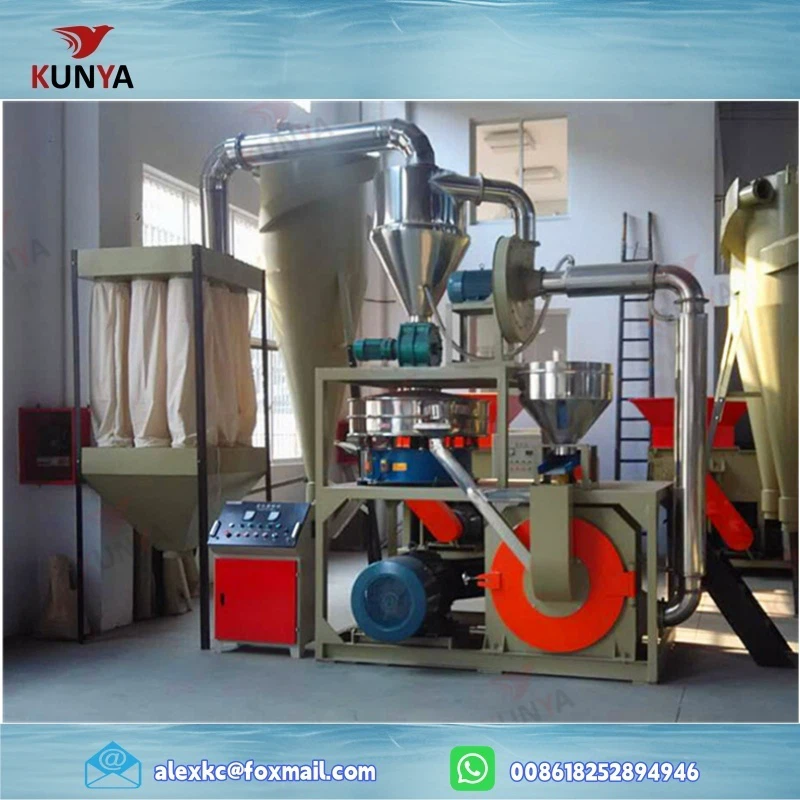
In addition to a plastic hopper dryer, there are other pieces of equipment that can be beneficial for processing conductive plastics. For example, a Plastic Grinder Pulverizer Machine can be used to grind and pulverize conductive plastic waste, allowing it to be recycled and reused. An Auto Weighing Feeding System can ensure accurate dosing of the conductive fillers and other additives, which is crucial for maintaining the desired electrical and mechanical properties of the conductive plastic.
Conclusion
In conclusion, a plastic hopper dryer can be used for conductive plastics, but it requires careful consideration of the specific properties of the conductive plastic and the capabilities of the dryer. By selecting a dryer with precise temperature control, anti - static features, and proper airflow and mixing, it is possible to effectively dry conductive plastics and achieve high - quality products.
If you are in the market for a plastic hopper dryer or other equipment for conductive plastic processing, I encourage you to reach out to us. Our team of experts can provide you with detailed information and guidance to help you make the right choice for your specific needs. We are committed to providing high - quality equipment and excellent customer service to ensure the success of your plastics processing operations.
References
- "Conductive Polymers: Principles, Methods, and Applications" by Nalwa, H. S.
- "Plastics Processing Technology" by Osswald, T. A., & Turng, L. - S.
- Industry reports on plastics processing and conductive plastics applications.