




Can auxiliary equipment be rented instead of purchased?
 Aug 15, 2025|
 Hey there, folks! I'm an auxiliary equipment supplier, and today I wanna have a chat with you about a hot topic: Can auxiliary equipment be rented instead of purchased? It's a question that many businesses in our industry have been grappling with, and I'm here to share my two cents on the matter.
First off, let's talk about what auxiliary equipment is. In our line of work, auxiliary equipment refers to all those machines and tools that support the main manufacturing processes. For example, Polymer Pelletizer is used to turn polymers into small pellets, which are easier to handle and transport. The Plastic Grinder Pulverizer Machine helps break down plastic waste into smaller pieces for recycling or reuse. And the Auto Weighing Feeding System ensures accurate and consistent feeding of materials into the production line. These are just a few examples, but you get the idea.
Now, let's dive into the pros and cons of renting vs. purchasing auxiliary equipment.
The Case for Renting
1. Cost Savings
One of the biggest advantages of renting auxiliary equipment is the upfront cost. Buying new equipment can be a huge financial burden, especially for small and medium-sized businesses. When you rent, you only pay for the time you use the equipment, which means you don't have to shell out a large sum of money all at once. This can free up your capital for other important aspects of your business, like research and development, marketing, or hiring new employees.
For example, let's say you need a Polymer Pelletizer for a short-term project. Buying a brand-new machine could cost you tens of thousands of dollars, plus you'll have to factor in maintenance, storage, and depreciation costs. On the other hand, renting the same machine for a few months might only cost you a fraction of the purchase price. This way, you can get the job done without breaking the bank.
2. Flexibility
Another benefit of renting is the flexibility it offers. Your business needs may change over time, and you might not always need the same equipment. With renting, you can easily upgrade or downgrade your equipment as needed. If you have a sudden increase in production volume, you can rent additional equipment to meet the demand. And if the demand drops, you can return the equipment and save on costs.
For instance, if you're using a Plastic Grinder Pulverizer Machine to process a large amount of plastic waste during a peak season, you can rent an extra machine to speed up the process. Once the season is over, you can return the rented machine and avoid paying for unnecessary equipment.
3. Maintenance and Support
When you rent auxiliary equipment, the rental company is usually responsible for maintenance and repairs. This means you don't have to worry about finding a qualified technician or stocking up on spare parts. The rental company will take care of all the maintenance tasks, ensuring that the equipment is in good working condition throughout the rental period.
Moreover, if you encounter any problems with the rented equipment, you can simply call the rental company's support team. They'll send someone out to fix the issue as soon as possible, minimizing downtime and keeping your production line running smoothly.
The Case for Purchasing
1. Long-Term Cost Efficiency
While renting may seem like a cost-effective option in the short term, purchasing can be more economical in the long run. If you use the equipment frequently and for an extended period, the cumulative rental costs can add up to more than the purchase price. By buying the equipment, you can avoid paying rental fees year after year and save money in the long term.
For example, if you have a high-volume production facility that uses a Auto Weighing Feeding System on a daily basis, buying the system might be a better investment. You'll own the equipment outright and can use it as long as you need, without having to worry about rental contracts or increasing rental rates.
2. Customization and Control
When you buy auxiliary equipment, you have full control over it. You can customize the equipment to meet your specific needs and requirements. You can also make modifications and upgrades as needed, without having to get permission from a rental company.

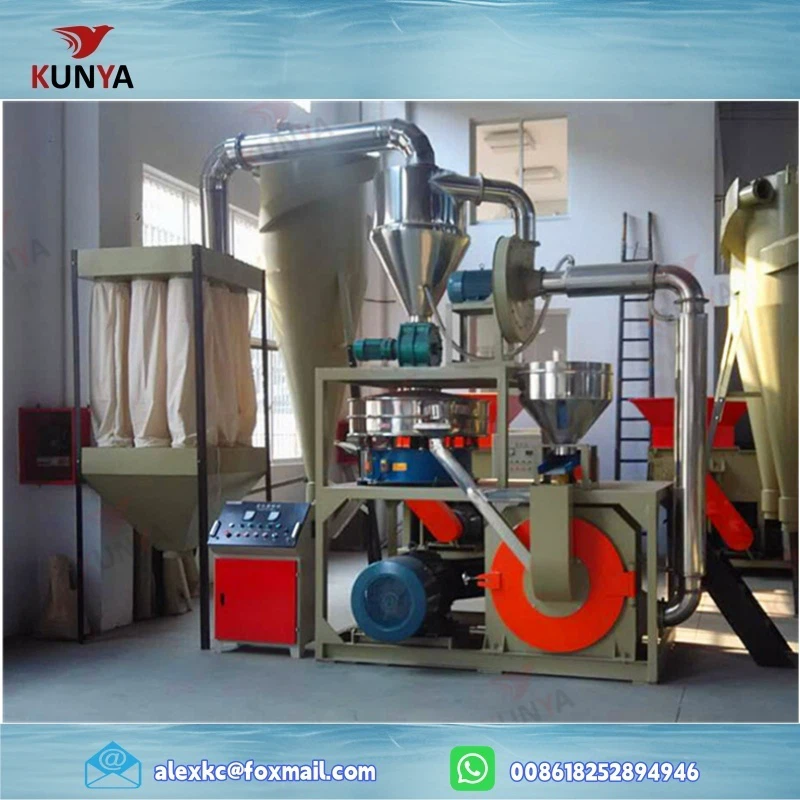
For instance, if you need a Polymer Pelletizer with a specific capacity or feature, you can purchase a machine that is tailored to your exact specifications. This can give you a competitive edge in the market by allowing you to produce high-quality products more efficiently.
3. Asset Ownership
Owning the equipment also means that you have an asset that can be used as collateral for loans or sold if you no longer need it. This can provide you with additional financial flexibility and security.
For example, if your business is going through a rough patch and you need to raise some capital, you can sell the auxiliary equipment you own. This can help you generate some cash flow and keep your business afloat.
Making the Decision
So, should you rent or purchase auxiliary equipment? The answer depends on several factors, including your business needs, budget, and long-term goals. Here are some questions to ask yourself when making the decision:
- How often will you use the equipment? If you only need the equipment for a short period or on an occasional basis, renting might be the better option. But if you use the equipment frequently and for a long time, purchasing could be more cost-effective.
- What is your budget? If you have limited capital or prefer to conserve your cash, renting can help you avoid a large upfront investment. However, if you have the financial resources and can afford to buy the equipment, it might be a better long-term investment.
- Do you need customization or control? If you have specific requirements or want to have full control over the equipment, purchasing is the way to go. But if you're okay with using standard equipment and don't need to make any modifications, renting can be a convenient option.
- What are your long-term goals? If you plan to expand your business or increase your production capacity in the future, owning the equipment can give you the flexibility to make changes and upgrades as needed. On the other hand, if you're not sure about the future and want to keep your options open, renting can provide you with more flexibility.
In conclusion, both renting and purchasing auxiliary equipment have their advantages and disadvantages. It's important to carefully evaluate your options and choose the one that best suits your business needs and circumstances.
As an auxiliary equipment supplier, I'm here to help you make the right decision. Whether you're interested in renting or purchasing Polymer Pelletizer, Plastic Grinder Pulverizer Machine, Auto Weighing Feeding System, or any other auxiliary equipment, I can provide you with the information and support you need.
If you have any questions or would like to discuss your specific requirements, please don't hesitate to reach out. I'm always happy to have a chat and help you find the best solution for your business. Let's work together to take your production to the next level!
References
- "Benefits of Renting Industrial Equipment." Equipment World.
- "Should You Buy or Rent Equipment for Your Business?" Entrepreneur.
- "The Economics of Buying vs. Renting Equipment." Construction Equipment Guide.