




How does the feeding method affect the mixing result in a Vertical and Horizontal Mixer?
 Sep 09, 2025|
 As a supplier of Vertical and Horizontal Mixers, I've witnessed firsthand the critical role that feeding methods play in achieving optimal mixing results. In this blog, I'll delve into how different feeding methods can impact the performance of these mixers, drawing on my experience in the industry and the scientific principles behind the mixing process.
Understanding Vertical and Horizontal Mixers
Before we explore the feeding methods, it's essential to understand the basic principles of Vertical and Horizontal Mixers. Vertical mixers typically use a central auger or screw to lift and mix materials from the bottom to the top of the mixing chamber. This design is often used for materials that require a gentle mixing action, such as powders and granular substances. On the other hand, horizontal mixers employ rotating paddles or blades within a horizontal drum to blend materials. They are suitable for a wider range of materials, including viscous liquids and pastes, and can provide a more intense mixing action.
Impact of Feeding Methods on Mixing Results
Batch Feeding
Batch feeding is a common method where all the ingredients are added to the mixer at once. This method is straightforward and easy to control, making it suitable for small - scale production or when dealing with a limited number of ingredients. However, it can lead to uneven mixing in some cases.
When using a vertical mixer with batch feeding, larger or heavier particles may settle at the bottom of the mixing chamber before the auger can effectively distribute them. This can result in a non - uniform mixture, with some areas having a higher concentration of certain ingredients. In a horizontal mixer, batch feeding can cause the paddles to initially struggle with a large volume of material, potentially leading to incomplete mixing, especially if the material has a high viscosity.
Continuous Feeding
Continuous feeding involves adding ingredients to the mixer at a steady rate over a period of time. This method can provide more consistent mixing results, especially for large - scale production.
In a vertical mixer, continuous feeding allows the auger to handle a more manageable amount of material at a time. As the ingredients are added gradually, the auger can effectively lift and distribute them throughout the mixing chamber, resulting in a more uniform blend. For horizontal mixers, continuous feeding enables the paddles to work more efficiently, as they are not overwhelmed by a large initial load. This method is particularly beneficial when dealing with materials that require a long mixing time or when multiple ingredients need to be incorporated in a specific ratio.
Sequential Feeding
Sequential feeding is a more advanced method where ingredients are added to the mixer in a specific order. This method is often used when dealing with ingredients that have different physical properties or when a particular mixing sequence is required to achieve the desired results.
In a vertical mixer, sequential feeding can help ensure that each ingredient is properly incorporated into the mixture. For example, if a powder needs to be pre - moistened before being mixed with a liquid, the powder can be added first, followed by the liquid at a controlled rate. In a horizontal mixer, sequential feeding can be used to layer different materials, allowing for a more complex mixing process. This method can be crucial in applications such as the production of specialty polymers or food products with multiple components.
Case Studies
Let's look at some real - world examples to illustrate the impact of feeding methods on mixing results.
A plastics manufacturing company was using a vertical mixer to blend different types of plastic granules. Initially, they used batch feeding, and they noticed that the final product had inconsistent color and physical properties. After switching to continuous feeding, the granules were more evenly distributed, resulting in a more uniform product. This improvement not only enhanced the quality of their plastics but also reduced production waste.
Another example is a food processing plant that was using a horizontal mixer to make a complex sauce. By implementing sequential feeding, they were able to ensure that the spices, oils, and thickeners were added in the correct order, resulting in a more flavorful and well - blended sauce.
Equipment Considerations
The type of Vertical and Horizontal Mixer you choose can also influence the effectiveness of different feeding methods. Some mixers are designed with specific feeding ports or mechanisms to accommodate different feeding styles. For example, some vertical mixers have multiple inlets at different heights to facilitate sequential feeding.
When selecting a mixer, it's important to consider the volume of production, the type of materials being mixed, and the desired mixing quality. Our Vertical and Horizontal Mixer is designed with flexibility in mind, allowing for easy adaptation to different feeding methods. Whether you need to use batch, continuous, or sequential feeding, our mixers can provide optimal mixing results.
Related Equipment
In addition to mixers, other equipment can also play a role in the overall mixing process. For example, a Polymer Pelletizer can be used to prepare materials before they are fed into the mixer. Pelletizing can improve the flowability of polymers, making them easier to handle during the mixing process.

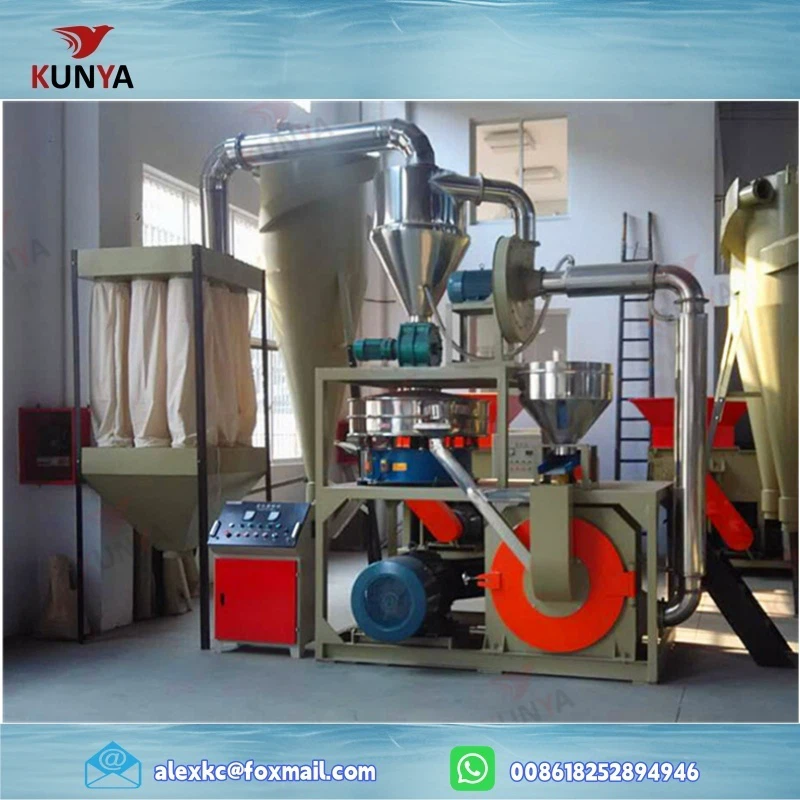
A Plastic Grinder Pulverizer Machine can be used to reduce the size of plastic materials, which can enhance the mixing efficiency, especially when using a vertical mixer. These auxiliary equipment can work in tandem with the mixer to achieve the best possible mixing results.
Conclusion
In conclusion, the feeding method used in a Vertical and Horizontal Mixer has a significant impact on the mixing results. Batch feeding is simple but may lead to uneven mixing, while continuous feeding can provide more consistent results, especially for large - scale production. Sequential feeding offers a more precise way of incorporating ingredients, which is essential in some applications.
As a supplier of Vertical and Horizontal Mixers, we understand the importance of choosing the right feeding method for your specific needs. Our mixers are designed to be versatile and can accommodate different feeding styles to ensure optimal mixing quality.
If you're interested in improving your mixing process or are considering purchasing a new mixer, we'd love to have a discussion with you. Contact us to learn more about our products and how we can help you achieve the best mixing results for your business.
References
- Mixing Technology Handbook, John Wiley & Sons
- Plastics Processing Technology, Hanser Publishers
- Food Mixing and Blending Technology, Woodhead Publishing