




How does the mixing time setting interact with the mixing speed in a Vertical and Horizontal Mixer?
 Jul 16, 2025|
 Hey there! As a supplier of Vertical and Horizontal Mixers, I've seen firsthand how crucial it is to understand the interaction between mixing time setting and mixing speed. It's not just about getting the job done; it's about doing it efficiently and effectively. So, let's dive into this topic and see how these two factors work together.
Understanding the Basics
First off, let's talk about what mixing time and mixing speed actually mean. Mixing time is, well, the amount of time you let the mixer run. It's like deciding how long to cook a meal - too short, and it might not be fully done; too long, and it could be overcooked. On the other hand, mixing speed refers to how fast the mixer blades or paddles are spinning. A higher speed means more vigorous mixing, while a lower speed is gentler.
In a vertical mixer, the materials are typically mixed in a tall, cylindrical chamber. The vertical design allows for better gravity-assisted flow, which can be great for certain types of materials. Horizontal mixers, on the other hand, have a more horizontal orientation, and they're often used for larger batches or materials that require more intense mixing.
The Interaction Between Mixing Time and Speed
Now, here's where things get interesting. The mixing time and speed are not independent of each other. They interact in a way that can significantly impact the quality of the mix.
Let's say you're using a vertical mixer to blend two powders. If you set the mixing speed too high and the mixing time too short, the powders might not have enough time to fully integrate. You might end up with pockets of one powder here and another there, which is definitely not what you want. On the flip side, if you set the speed too low and the time too long, you're wasting energy and potentially over - mixing the materials, which can also lead to problems like degradation of the product.
In a horizontal mixer, the relationship is a bit different. Because of the horizontal design, the materials have a different flow pattern. A higher speed can help to move the materials more quickly through the mixer, but if the time is too short, the mixing might not be thorough. A lower speed with a longer time can provide a more gentle and thorough mix, but it might take longer to complete the process.
Finding the Right Balance
So, how do you find the right balance between mixing time and speed? Well, it depends on a few factors.
The type of materials you're mixing is a big one. For example, if you're mixing a sticky or viscous material, you might need a higher speed and a longer time to ensure proper mixing. On the other hand, if you're mixing dry, free - flowing powders, a lower speed and a shorter time might be sufficient.
The batch size also matters. Larger batches generally require more time and potentially a higher speed to ensure that all the materials are mixed evenly. Smaller batches can often be mixed more quickly and with a lower speed.
Another factor is the desired quality of the mix. If you need a very homogeneous mix, you might need to adjust the time and speed accordingly. Sometimes, it might be worth doing some test runs to find the optimal settings for your specific materials and requirements.
Real - World Examples
Let me share a couple of real - world examples to illustrate this point.

A customer of ours was using a vertical mixer to mix different colors of plastic pellets. At first, they were using a high speed and a short mixing time. The result was that the colors were not evenly distributed, and they ended up with a patchy - looking final product. After some experimentation, we recommended reducing the speed and increasing the mixing time. This allowed the pellets to have more time to interact with each other, and the final product had a much more consistent color.
Another customer was using a horizontal mixer to mix a large batch of animal feed. They were initially using a low speed and a short time, thinking it would save energy. However, the feed was not well - mixed, and some of the animals were not getting the right nutrients. By increasing the speed and the mixing time, they were able to achieve a more homogeneous mix, which improved the overall quality of the feed.
The Role of Our Mixers
As a supplier of Vertical and Horizontal Mixers, we've designed our machines to be highly adjustable. You can easily set the mixing time and speed according to your specific needs. Our mixers are also equipped with advanced controls that allow for precise adjustments, ensuring that you can achieve the perfect mix every time.
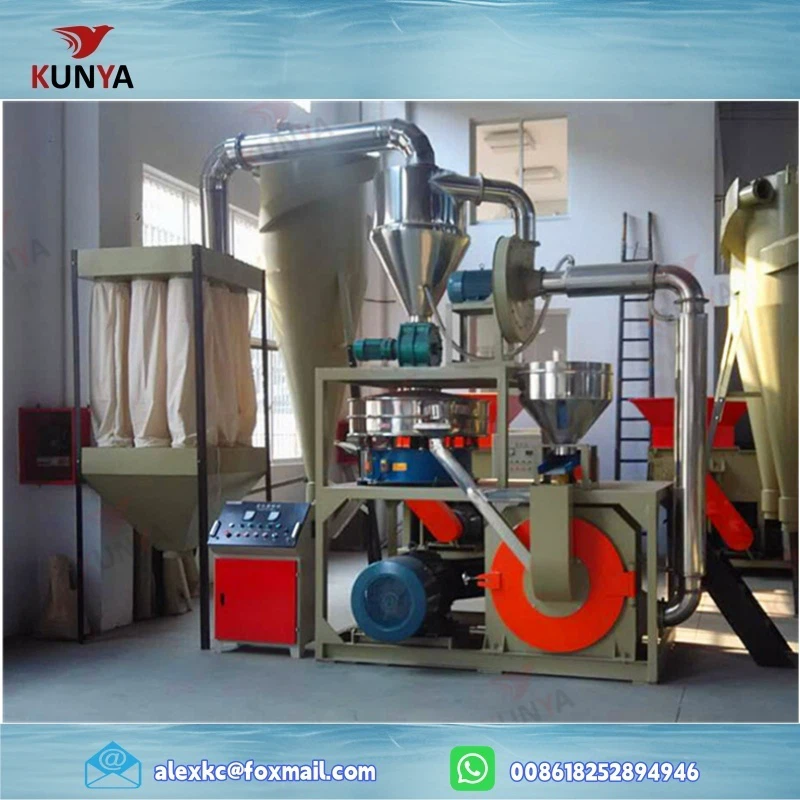
In addition to our mixers, we also offer a range of auxiliary equipment that can enhance the mixing process. For example, our Auto Weighing Feeding System can accurately measure and feed the materials into the mixer, ensuring a consistent batch size. Our Weighing Packing Machine can then accurately package the mixed materials, making the whole process more efficient. And if you need to process some plastic materials, our Plastic Grinder Pulverizer Machine can help you reduce the size of the materials before mixing.
Conclusion
In conclusion, the interaction between mixing time setting and mixing speed in a Vertical and Horizontal Mixer is a complex but important aspect of the mixing process. By understanding how these two factors work together and finding the right balance, you can improve the quality of your mixes, save energy, and increase efficiency.
If you're in the market for a Vertical or Horizontal Mixer, or if you have any questions about the mixing process, don't hesitate to reach out. We're here to help you find the best solution for your specific needs. Whether you're a small - scale producer or a large - scale manufacturer, we've got the expertise and the equipment to support you. Contact us today to start a conversation about your mixing requirements.
References
- Smith, J. (2020). Mixing Technology Handbook. Publisher: Mixing Press.
- Johnson, A. (2019). Advanced Mixing Techniques. Journal of Industrial Mixing, 15(2), 45 - 56.