




How to install an Auto Weighing Feeding System?
 May 16, 2025|
 As a seasoned provider of Auto Weighing Feeding Systems, I understand that the installation process can seem daunting. However, with the right guidance, installing an Auto Weighing Feeding System can be a smooth and straightforward task. In this blog post, I'll walk you through the essential steps to install your system correctly, ensuring optimal performance and efficiency.
Step 1: Preparation
Before you start the installation, it's crucial to gather all the necessary tools and equipment. You'll typically need basic hand tools such as wrenches, screwdrivers, and pliers. Additionally, ensure you have a clean and level surface where the system will be installed. This surface should be able to support the weight of the system and provide easy access for maintenance and operation.
Next, review the installation manual provided with your Auto Weighing Feeding System. Familiarize yourself with the components, their functions, and the overall installation process. This will help you identify any potential challenges and plan accordingly.
Step 2: Unpacking and Inspection
Carefully unpack the Auto Weighing Feeding System and inspect all the components for any damage or missing parts. Check the weighing sensors, feeding mechanisms, control panels, and any other accessories. If you notice any issues, contact our support team immediately. We are committed to providing high - quality products, and we'll ensure that you receive the correct and undamaged components.
Step 3: Mounting the System
The first step in mounting the system is to position the main frame. Place it on the pre - prepared surface and use a spirit level to ensure it is perfectly horizontal. This is important as an uneven installation can affect the accuracy of the weighing process.
Once the main frame is in place, attach the weighing hoppers and feeding devices according to the installation manual. Make sure all connections are secure and tightened properly. Use the appropriate fasteners and follow the torque specifications provided to prevent any loosening during operation.
Step 4: Electrical Connections
Proper electrical connections are vital for the safe and efficient operation of your Auto Weighing Feeding System. Start by connecting the power supply to the control panel. Ensure that the power source matches the voltage and frequency requirements specified in the manual.
Next, connect the weighing sensors and other electrical components to the control panel. Follow the wiring diagrams provided in the manual carefully. Incorrect wiring can lead to malfunction or even damage to the system. If you're not confident in your electrical skills, it's advisable to hire a qualified electrician to handle this step.

Step 5: Calibration
Calibration is a critical step in the installation process. It ensures that the Auto Weighing Feeding System provides accurate and consistent measurements. To calibrate the system, you'll need a set of standard weights.
First, zero the weighing sensors. This involves taring the system when the hoppers are empty. Then, place the standard weights on the weighing hoppers one by one and adjust the calibration settings on the control panel until the system displays the correct weight. Repeat this process several times to ensure accuracy.
Step 6: Testing and Commissioning
After calibration, it's time to test the system. Start by running a dry test without any material in the hoppers. Check the feeding mechanisms to ensure they are operating smoothly and that the control panel is receiving and processing the data correctly.
Next, introduce a small amount of the material that will be used in the actual application. Observe the weighing and feeding process. Check for any errors, such as inaccurate weighing or inconsistent feeding. Make any necessary adjustments to the settings on the control panel.
Once you're satisfied with the test results, the system is ready for full - scale operation. However, it's recommended to monitor the system closely during the initial period to ensure continued performance.
Related Equipment
In addition to the Auto Weighing Feeding System, you may also be interested in other auxiliary equipment that can enhance your production process. For example, Industrial Baghouse Dust Collectors can help keep your working environment clean by removing dust and particulate matter. These dust collectors are designed to be highly efficient and reliable, ensuring a safe and healthy workplace.
Another useful piece of equipment is the Plastic Hopper Dryer. If your application involves plastic materials, this dryer can help remove moisture from the plastic pellets, improving the quality of your final products.
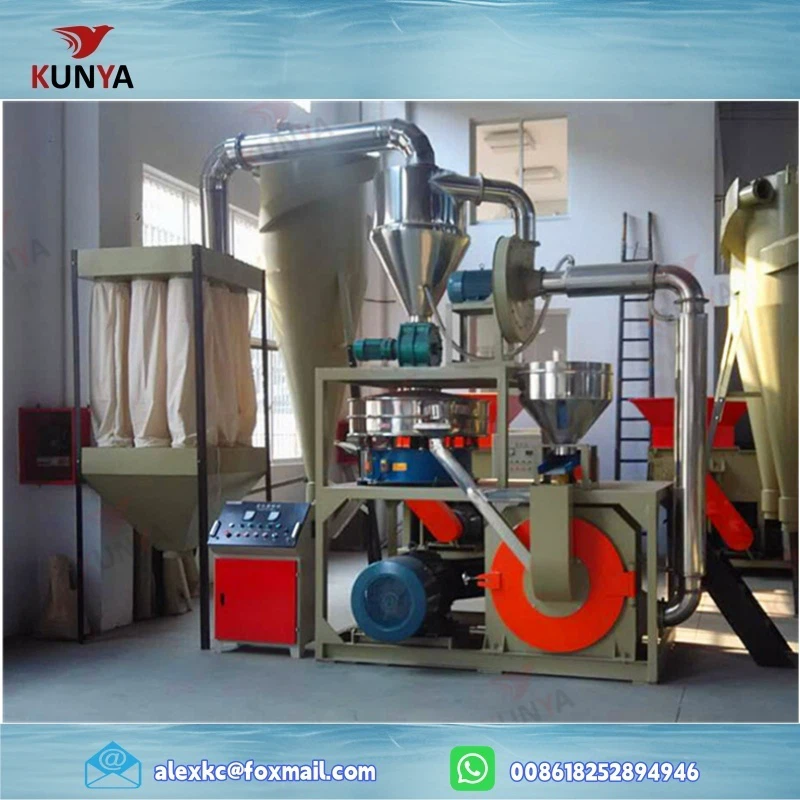
The Plastic Grinder Pulverizer Machine is also a valuable addition. It can recycle plastic waste by grinding and pulverizing it into smaller particles, which can then be reused in the production process, reducing waste and saving costs.
Conclusion
Installing an Auto Weighing Feeding System requires careful preparation, attention to detail, and proper calibration. By following the steps outlined in this blog post, you can ensure a successful installation and optimal performance of your system.

If you're considering purchasing an Auto Weighing Feeding System or any of the related auxiliary equipment, we'd love to have a discussion with you. Our team of experts can provide you with detailed information, answer your questions, and help you find the best solution for your specific needs. Contact us today to start the procurement negotiation process.
References
- Manufacturer's installation manual for Auto Weighing Feeding System
- Industry standards and best practices for equipment installation and calibration