




How to optimize the feeding path in an Auto Weighing Feeding System?
 Oct 28, 2025|
 Optimizing the feeding path in an Auto Weighing Feeding System is crucial for enhancing efficiency, accuracy, and overall performance. As a seasoned supplier of Auto Weighing Feeding Systems, I've witnessed firsthand the impact of a well - designed feeding path on the operation of these systems. In this blog, I'll share some key strategies and considerations for optimizing the feeding path in such systems.
Understanding the Basics of Auto Weighing Feeding Systems
Before delving into the optimization of the feeding path, it's essential to understand the basic components and functions of an Auto Weighing Feeding System. These systems are designed to accurately measure and dispense materials based on pre - set weights. They typically consist of a hopper for storing the material, a feeding mechanism (such as a screw feeder or a vibrating feeder), a weighing device (like a load cell), and a control system to manage the entire process.
The feeding path is the route through which the material travels from the hopper to the weighing device and then to the final destination. A smooth and efficient feeding path ensures that the material is delivered accurately and consistently, minimizing errors and downtime.
Factors Affecting the Feeding Path
Several factors can influence the performance of the feeding path in an Auto Weighing Feeding System.
Material Characteristics
The physical and chemical properties of the material being fed play a significant role. For example, materials with high moisture content may clump together, causing blockages in the feeding path. Powdery materials may be prone to dust generation, which can affect the accuracy of the weighing process and the health of the operators. Granular materials with different particle sizes may segregate during the feeding process, leading to inconsistent weights.
Feeding Mechanism
The type of feeding mechanism used can also impact the feeding path. Screw feeders are commonly used for their ability to provide a continuous and controlled flow of material. However, they may be less suitable for materials that are prone to bridging or caking. Vibrating feeders, on the other hand, are better for handling materials that require gentle agitation to flow smoothly.
System Layout
The layout of the Auto Weighing Feeding System, including the position of the hopper, the feeding mechanism, and the weighing device, can affect the feeding path. A poorly designed layout may result in long or convoluted feeding paths, increasing the chances of material blockages and reducing the efficiency of the system.
Strategies for Optimizing the Feeding Path
Selecting the Right Feeding Mechanism
As mentioned earlier, the choice of feeding mechanism depends on the material characteristics. For materials that are free - flowing and have a consistent particle size, a screw feeder may be the best option. It can provide a precise and continuous flow of material, ensuring accurate weighing. However, for materials that are sticky or have a tendency to bridge, a vibrating feeder or a pneumatic feeder may be more appropriate. These feeders can break up clumps and ensure a smooth flow of material through the feeding path.
Minimizing the Feeding Path Length
A shorter feeding path reduces the chances of material blockages and improves the efficiency of the system. When designing the Auto Weighing Feeding System, try to position the hopper, feeding mechanism, and weighing device as close together as possible. This not only reduces the distance the material has to travel but also minimizes the number of bends and turns in the feeding path.
Using Anti - Blockage Devices
To prevent blockages in the feeding path, anti - blockage devices can be installed. For example, vibrators can be attached to the hopper to prevent material from sticking to the walls. Air cannons can be used to clear any blockages that may occur in the feeding pipes. These devices help to maintain a continuous flow of material through the feeding path.

Implementing a Dust Collection System
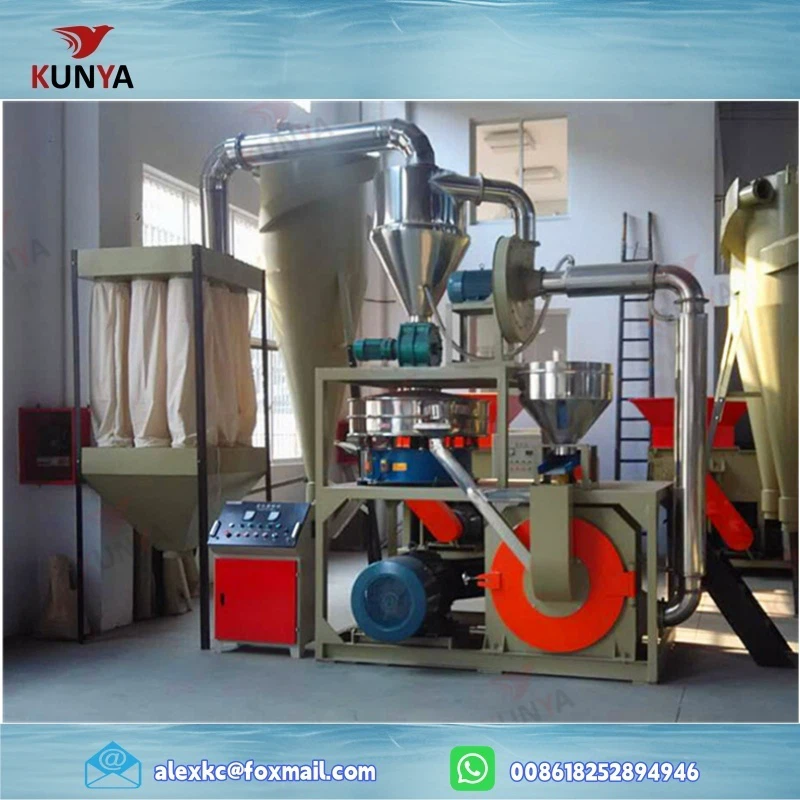
For materials that generate dust, a dust collection system is essential. Dust can not only affect the accuracy of the weighing process but also pose a health risk to the operators. A well - designed dust collection system can capture the dust at the source, preventing it from spreading throughout the feeding path and the surrounding environment.
Regular Maintenance and Cleaning
Regular maintenance and cleaning of the feeding path are crucial for ensuring its optimal performance. Over time, material residues can build up in the hopper, feeding mechanism, and weighing device, affecting the accuracy and efficiency of the system. By cleaning the feeding path regularly and inspecting the components for wear and tear, you can prevent potential problems and extend the lifespan of the system.
Case Studies
Let's take a look at some real - world examples of how optimizing the feeding path in an Auto Weighing Feeding System can lead to significant improvements.
Case Study 1: A Food Processing Company
A food processing company was experiencing issues with inconsistent weights in their Auto Weighing Feeding System. After a thorough analysis, it was found that the feeding path was too long and had several bends, causing the material to segregate and blockages to occur. By redesigning the system layout and shortening the feeding path, the company was able to reduce the number of blockages and improve the accuracy of the weighing process. This led to a significant increase in productivity and a reduction in product waste.
Case Study 2: A Chemical Manufacturing Plant
A chemical manufacturing plant was using a screw feeder to feed a sticky powder material. The material was prone to bridging in the hopper and the feeding pipe, causing frequent downtime. By replacing the screw feeder with a vibrating feeder and installing anti - blockage devices, the plant was able to eliminate the bridging problem and ensure a continuous flow of material through the feeding path. This resulted in a more efficient production process and a decrease in maintenance costs.
Conclusion
Optimizing the feeding path in an Auto Weighing Feeding System is a complex but essential task. By considering the material characteristics, selecting the right feeding mechanism, minimizing the feeding path length, using anti - blockage devices, implementing a dust collection system, and performing regular maintenance and cleaning, you can improve the efficiency, accuracy, and reliability of your system.
If you're in the market for an Auto Weighing Feeding System or need to optimize your existing system, we're here to help. Our team of experts has extensive experience in designing and implementing high - performance Auto Weighing Feeding Systems. We can provide you with customized solutions based on your specific requirements.
For more information about our products and services, you can explore our related equipment such as Weighing Packing Machine, Plastic Crusher, and Plastic Grinder Pulverizer Machine. Contact us today to start a procurement discussion and take your production process to the next level.
References
- Smith, J. (2018). "Advanced Feeding Systems for Industrial Applications". Industrial Engineering Journal.
- Brown, A. (2019). "Optimizing Material Handling in Weighing Systems". Manufacturing Technology Review.
- Green, C. (2020). "Dust Control in Feeding Systems". Environmental Science and Technology Journal.