




How to protect a plastic crusher from dust and debris?
 Jul 25, 2025|
 As a supplier of plastic crushers, I understand the importance of protecting these machines from dust and debris. A plastic crusher is a valuable investment, and proper maintenance can significantly extend its lifespan and ensure optimal performance. In this blog post, I will share some effective strategies on how to protect a plastic crusher from dust and debris.
Understanding the Risks Posed by Dust and Debris
Before delving into the protective measures, it's crucial to understand the potential risks that dust and debris can pose to a plastic crusher. Dust particles can accumulate on the machine's internal components, such as motors, bearings, and gears. Over time, this accumulation can lead to increased friction, heat generation, and wear and tear. Excessive dust can also clog air filters, reducing the machine's ventilation efficiency and potentially causing overheating.
Debris, such as large plastic pieces, metal fragments, or other foreign objects, can cause more severe damage. They can jam the crusher's blades or cutting mechanism, leading to mechanical failures and costly repairs. In some cases, debris can even cause the machine to stop working altogether, resulting in production downtime and loss of revenue.
Regular Cleaning and Maintenance
One of the most fundamental ways to protect a plastic crusher from dust and debris is through regular cleaning and maintenance. Here are some key steps to follow:
- Daily Cleaning: After each use, remove any visible dust and debris from the exterior of the crusher. Use a soft brush or compressed air to clean the surfaces, paying special attention to areas around the hopper, discharge chute, and ventilation openings.
- Periodic Internal Cleaning: Schedule regular internal cleaning of the crusher to remove accumulated dust and debris. This may involve disassembling certain parts of the machine, such as the blades, screens, and filters, and cleaning them thoroughly. Follow the manufacturer's instructions for disassembly and reassembly to avoid damaging the machine.
- Filter Replacement: Air filters play a crucial role in preventing dust from entering the machine's internal components. Check the filters regularly and replace them as needed. Clogged filters can restrict airflow, leading to overheating and reduced performance.
- Lubrication: Proper lubrication of the crusher's moving parts is essential to reduce friction and wear. Follow the manufacturer's recommendations for lubrication intervals and use the appropriate lubricants.
Installing Dust Collection Systems
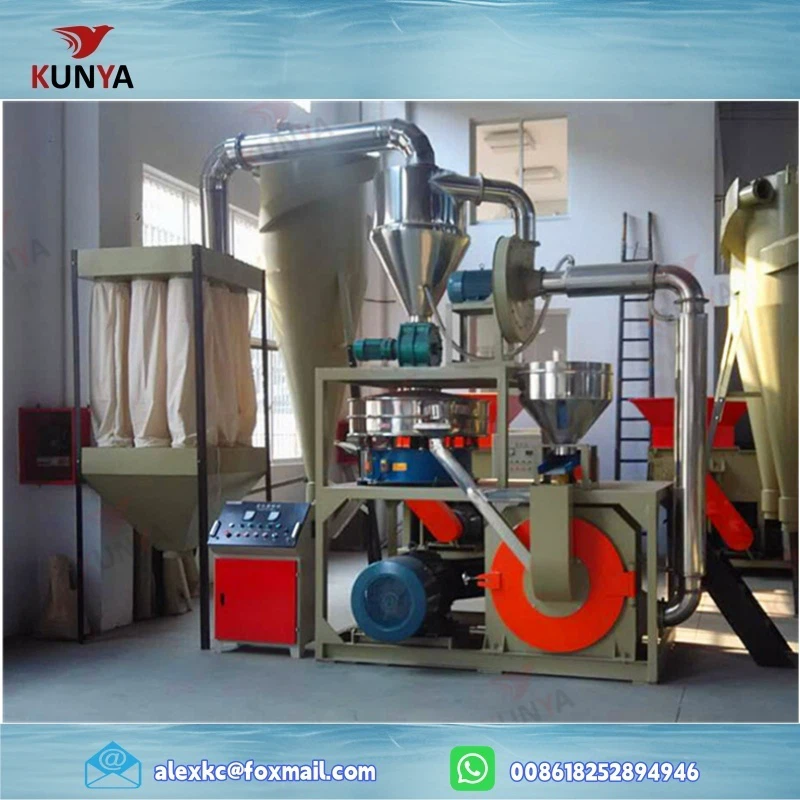
Another effective way to protect a plastic crusher from dust is by installing a dust collection system. A dust collection system captures and removes dust particles generated during the crushing process, preventing them from spreading throughout the workspace and accumulating on the machine.
There are several types of dust collection systems available, including cyclone collectors, baghouse filters, and cartridge filters. The choice of system depends on factors such as the size of the crusher, the volume of dust generated, and the specific requirements of the application.
When installing a dust collection system, ensure that it is properly sized and configured to handle the dust load. The system should be connected to the crusher's ventilation openings or discharge chute to capture dust at the source. Regular maintenance of the dust collection system, including filter cleaning and replacement, is also essential to ensure its effectiveness.
Using Protective Enclosures
Protective enclosures can provide an additional layer of protection for a plastic crusher by preventing dust and debris from entering the machine. Enclosures can be made of various materials, such as metal, plastic, or fiberglass, and can be custom-designed to fit the specific dimensions of the crusher.
A well-designed protective enclosure should have the following features:
- Sealed Construction: The enclosure should be tightly sealed to prevent dust and debris from entering. Use gaskets or seals around doors, windows, and other openings to ensure a proper seal.
- Ventilation: Adequate ventilation is essential to prevent the buildup of heat and dust inside the enclosure. Install ventilation fans or ducts to ensure proper airflow.
- Accessibility: The enclosure should provide easy access to the crusher for maintenance and cleaning. Consider installing doors or hatches that can be easily opened and closed.
Implementing Material Handling Procedures
Proper material handling procedures can also help reduce the amount of dust and debris that enters the plastic crusher. Here are some tips to follow:
- Pre-Screening: Before feeding materials into the crusher, screen them to remove any large pieces of debris or foreign objects. This can help prevent jams and damage to the crusher's blades.
- Proper Feeding: Feed materials into the crusher at a consistent rate to avoid overloading the machine. Avoid feeding materials that are too large or too hard for the crusher to handle.
- Storage and Handling: Store materials in a clean and dry environment to prevent the accumulation of dust and debris. Use proper handling equipment, such as conveyors or hoppers, to transfer materials to the crusher.
Training and Education
Finally, it's important to provide training and education to operators on how to properly operate and maintain the plastic crusher. Operators should be familiar with the machine's safety features, operating procedures, and maintenance requirements. They should also be trained on how to recognize and address potential issues related to dust and debris.

Regular training sessions can help ensure that operators are using the machine correctly and taking the necessary steps to protect it from dust and debris. Encourage operators to report any issues or concerns immediately so that they can be addressed promptly.
Conclusion
Protecting a plastic crusher from dust and debris is essential to ensure its long-term performance and reliability. By following the strategies outlined in this blog post, including regular cleaning and maintenance, installing dust collection systems, using protective enclosures, implementing proper material handling procedures, and providing training and education to operators, you can significantly reduce the risk of damage to the crusher and extend its lifespan.
If you're in the market for a high-quality plastic crusher or need assistance with protecting your existing crusher from dust and debris, [contact us](insert appropriate contact information). Our team of experts can provide you with the guidance and support you need to make the right choice for your application.
References
- Manufacturer's manuals for plastic crushers
- Industry standards and guidelines for dust control and machine maintenance
- Technical literature on dust collection systems and protective enclosures