




How to replace the key components of a plastic crusher?
 Nov 14, 2025|
 As a trusted supplier of plastic crushers, I understand the importance of maintaining and replacing key components to ensure the efficient and long - lasting operation of these machines. In this blog, I'll guide you through the process of replacing the key components of a plastic crusher, sharing insights based on years of experience in the industry.
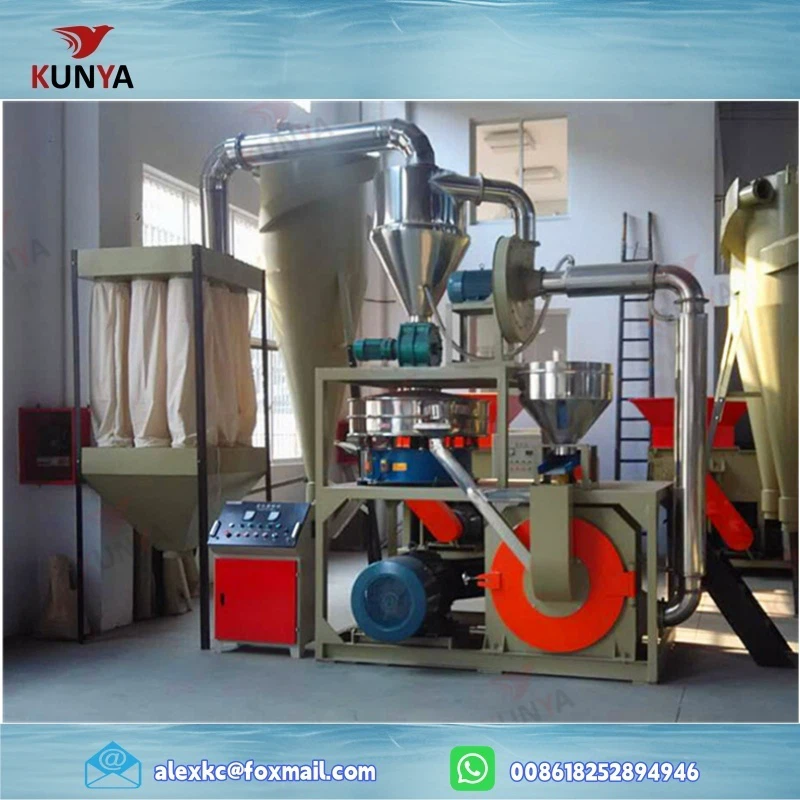
Understanding the Plastic Crusher
Before we delve into component replacement, it's essential to have a basic understanding of how a plastic crusher works. A plastic crusher is designed to reduce large plastic pieces into smaller fragments, which can then be recycled or reused. The main components of a plastic crusher typically include the motor, blades, screen, and bearings. Each of these parts plays a crucial role in the crushing process.
Identifying the Need for Component Replacement
There are several signs that indicate it's time to replace a component in your plastic crusher. For example, if you notice a decrease in the crushing efficiency, such as larger plastic pieces passing through the machine without being properly shredded, it could be a sign that the blades are dull or damaged. Unusual noises during operation may suggest problems with the bearings or motor. Additionally, visible wear and tear on the screen or other parts are clear indicators that replacement is necessary.
Preparing for Component Replacement
Before starting the replacement process, it's important to take some safety precautions. First, make sure the plastic crusher is completely turned off and unplugged to avoid any electrical hazards. Gather all the necessary tools, such as wrenches, screwdrivers, and pliers. It's also a good idea to have the replacement components on hand. You can source high - quality components from reliable suppliers like us, who have a wide range of parts specifically designed for plastic crushers.
Replacing the Blades
The blades are one of the most critical components of a plastic crusher. Over time, they can become dull or damaged due to the constant cutting and shredding of plastic materials. To replace the blades:
- Remove the housing: Use the appropriate tools to remove the housing that covers the blades. This will give you access to the blade assembly.
- Loosen the blade bolts: Carefully loosen the bolts that hold the blades in place. Make sure to keep track of the order and orientation of the blades, as they need to be reinstalled correctly.
- Remove the old blades: Once the bolts are loose, gently remove the old blades from the blade holder.
- Install the new blades: Place the new blades in the same position as the old ones, ensuring that they are properly aligned. Tighten the bolts securely, but be careful not to over - tighten them, as this could damage the blades or the blade holder.
- Reassemble the housing: After the new blades are installed, carefully reassemble the housing and make sure it is properly sealed.
Replacing the Screen
The screen in a plastic crusher helps to control the size of the crushed plastic particles. If the screen is damaged or clogged, it can affect the performance of the machine. To replace the screen:
- Locate the screen: The screen is usually located at the bottom or side of the crusher. Remove any covers or panels that are blocking access to the screen.
- Remove the old screen: Use a screwdriver or other appropriate tool to remove the fasteners that hold the screen in place. Gently lift the old screen out of the crusher.
- Clean the screen area: Before installing the new screen, clean the area where the screen sits to remove any debris or plastic particles.
- Install the new screen: Place the new screen in the correct position and secure it with the fasteners. Make sure the screen is properly aligned and there are no gaps around the edges.
Replacing the Bearings
The bearings support the rotating parts of the plastic crusher and ensure smooth operation. If the bearings are worn or damaged, they can cause the machine to vibrate excessively or make unusual noises. To replace the bearings:

- Access the bearing housing: Remove the necessary covers or components to access the bearing housing. This may involve removing the motor or other parts of the crusher.
- Remove the old bearings: Use a bearing puller or other appropriate tool to remove the old bearings from the housing. Be careful not to damage the housing during this process.
- Clean the bearing housing: Thoroughly clean the bearing housing to remove any dirt, grease, or debris. This will help ensure a proper fit for the new bearings.
- Install the new bearings: Apply a small amount of lubricant to the new bearings and carefully insert them into the housing. Make sure they are properly seated and aligned.
- Reassemble the components: Once the new bearings are installed, reassemble the other components of the crusher, such as the motor and covers.
Replacing the Motor
The motor provides the power for the plastic crusher. If the motor fails, the machine will not be able to operate. To replace the motor:
- Disconnect the electrical connections: Before removing the motor, carefully disconnect all the electrical wires connected to it. Make sure to label the wires to ensure correct re - connection later.
- Remove the motor mounts: Use a wrench or other tool to remove the bolts or screws that hold the motor in place.
- Lift out the old motor: Carefully lift the old motor out of the plastic crusher.
- Install the new motor: Place the new motor in the same position as the old one and secure it with the motor mounts.
- Reconnect the electrical wires: Connect the electrical wires to the new motor according to the labels you made earlier. Make sure all the connections are tight and secure.
Testing the Plastic Crusher
After replacing the components, it's important to test the plastic crusher to ensure that it is working properly. Plug in the machine and turn it on. Listen for any unusual noises or vibrations. Feed a small amount of plastic material into the crusher and check the output. If the machine is working smoothly and producing the desired results, then the component replacement was successful.
Related Equipment for Plastic Recycling
In addition to plastic crushers, there are other important pieces of equipment in the plastic recycling process. For example, an Auto Weighing Feeding System can help to accurately measure and feed plastic materials into the crusher, improving the efficiency of the process. A Plastic Grinder Pulverizer Machine can further reduce the size of the crushed plastic particles, making them more suitable for recycling. And an Industrial Shredder can be used for larger plastic items or more heavy - duty shredding tasks.
Conclusion
Replacing the key components of a plastic crusher is an important part of maintaining its performance and longevity. By following the steps outlined in this blog, you can safely and effectively replace components such as the blades, screen, bearings, and motor. If you have any questions or need further assistance with component replacement or sourcing high - quality plastic crushers and parts, don't hesitate to contact us. We are here to help you with all your plastic recycling equipment needs. Whether you are a small - scale recycler or a large industrial operation, we can provide the right solutions for you. Reach out to us today to start a discussion about your requirements and explore how we can support your plastic recycling efforts.
References
- "Plastic Recycling Machinery Handbook", a comprehensive guide on the operation and maintenance of plastic recycling equipment.
- Industry standards and guidelines for plastic crusher manufacturing and component replacement.