




How to transport a Plastic Hopper Dryer safely?
 Oct 09, 2025|
 Transporting a plastic hopper dryer safely is crucial to ensure its proper functioning and longevity. As a supplier of plastic hopper dryers, I understand the importance of safe transportation and want to share some essential tips and guidelines to help you move these valuable pieces of equipment without any issues.
Understanding the Plastic Hopper Dryer
Before we delve into the transportation process, it's important to understand what a plastic hopper dryer is and why it needs careful handling. A plastic hopper dryer is a specialized machine used in the plastics industry to remove moisture from plastic resins before they are processed. These dryers typically consist of a hopper, a heating element, a blower, and a control system. They are designed to provide a consistent and controlled drying environment, ensuring that the plastic materials have the right moisture content for optimal processing.
Pre - Transportation Preparations
Inspection
The first step in transporting a plastic hopper dryer safely is to conduct a thorough inspection. Check for any visible damage to the dryer, including cracks, dents, or loose parts. Inspect the electrical components to ensure they are properly secured and not damaged. Make a note of any existing issues so that you can address them before or after transportation.
Cleaning
Clean the plastic hopper dryer thoroughly before transportation. Remove any remaining plastic resin, dust, or debris from the hopper, heating elements, and other parts. This not only helps in maintaining the dryer's performance but also prevents any potential contamination during transportation.
Disassembly (if necessary)
In some cases, it may be necessary to disassemble certain parts of the plastic hopper dryer for easier transportation. For example, if the dryer is large or bulky, you may need to remove the hopper, blower, or other detachable components. Make sure to label all the parts clearly and keep them organized in a safe container. This will make reassembly much easier at the destination.
Documentation
Gather all the necessary documentation related to the plastic hopper dryer, such as the user manual, warranty information, and maintenance records. Keep these documents in a safe place and make sure they are easily accessible during and after transportation.
Choosing the Right Transportation Method
Road Transport
Road transport is one of the most common methods of transporting plastic hopper dryers. When choosing a road transport provider, make sure they have experience in transporting heavy and delicate equipment. Look for a carrier that has a good safety record and uses well - maintained trucks.
- Securement: Ensure that the plastic hopper dryer is properly secured in the truck. Use straps, chains, or other appropriate securing devices to prevent it from shifting during transit. Place padding or cushions around the dryer to protect it from impacts.
- Weather Protection: If the transportation is taking place in adverse weather conditions, such as rain or snow, make sure the dryer is covered with a waterproof tarp to prevent water damage.
Sea Transport
For international or long - distance transportation, sea transport may be a viable option. When shipping a plastic hopper dryer by sea, it is important to choose a reliable shipping line.
- Containerization: The dryer should be placed in a suitable shipping container. Make sure the container is clean, dry, and in good condition. Secure the dryer inside the container to prevent movement during the voyage.
- Customs Clearance: Be aware of the customs requirements and regulations for the destination country. Ensure that all the necessary documentation is in order to avoid any delays at the port.
Loading and Unloading
Loading
When loading the plastic hopper dryer onto the transport vehicle, use proper lifting equipment, such as forklifts or cranes. Make sure the lifting equipment is in good working condition and the operators are trained and experienced.
- Positioning: Place the dryer in the vehicle in a stable position. Avoid overloading the vehicle and ensure that the weight is evenly distributed.
- Accessibility: Make sure that the dryer is loaded in a way that it can be easily unloaded at the destination. Leave enough space around the dryer for unloading equipment to operate.
Unloading
At the destination, follow the same safety procedures for unloading as for loading. Use the appropriate lifting equipment and ensure that the operators are careful to avoid any damage to the dryer.
- Reassembly: If the dryer was disassembled for transportation, reassemble it carefully according to the instructions in the user manual. Check all the connections and components to ensure they are properly installed.
Additional Considerations
Insurance
It is highly recommended to purchase insurance for the plastic hopper dryer during transportation. This will provide financial protection in case of any damage or loss during transit. Make sure to read the insurance policy carefully and understand the coverage and exclusions.
Training
If your employees are involved in the transportation process, provide them with proper training on how to handle the plastic hopper dryer safely. Training should include topics such as lifting techniques, equipment operation, and safety procedures.
Related Products
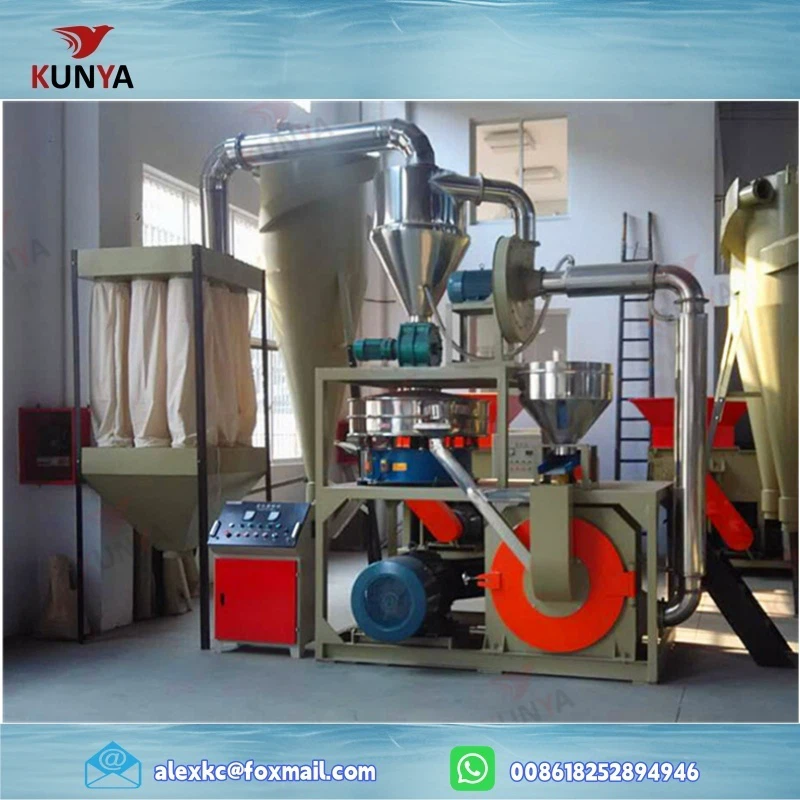
In addition to plastic hopper dryers, we also offer a range of other plastic processing equipment. You can check out our Plastic Crusher, Vertical and Horizontal Mixer, and Plastic Grinder Pulverizer Machine for your plastic processing needs.

Conclusion
Transporting a plastic hopper dryer safely requires careful planning, preparation, and execution. By following the tips and guidelines outlined in this blog, you can minimize the risk of damage to the dryer and ensure that it arrives at its destination in good working condition. If you have any questions or need further assistance with transporting your plastic hopper dryer or are interested in purchasing our products, please feel free to contact us. We are here to help you with all your plastic processing equipment needs.
References
- "Plastics Processing Handbook" - Various industry experts
- Manufacturer's user manuals for plastic hopper dryers