




How to troubleshoot common problems with auxiliary equipment?
 Aug 26, 2025|
 As a supplier of auxiliary equipment, I've encountered a wide range of issues that customers face with their auxiliary equipment. In this blog post, I'll share some insights on how to troubleshoot common problems with auxiliary equipment, drawing from my years of experience in the industry.
1. Power - related Issues
One of the most common problems with auxiliary equipment is power - related issues. This can manifest in various ways, such as the equipment not starting at all, or shutting down unexpectedly during operation.

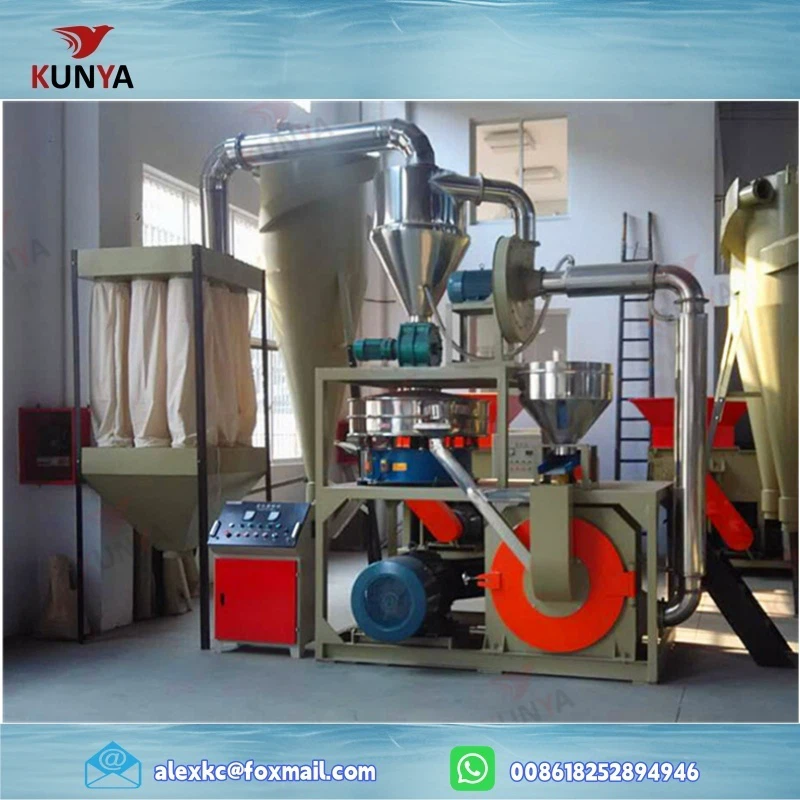
Equipment not starting
- Check the power source: First, ensure that the equipment is properly plugged into a working power outlet. Sometimes, a loose plug can be the culprit. You can try plugging another device into the same outlet to verify if it's getting power.
- Inspect the power cord: Look for any visible signs of damage on the power cord, such as cuts or frayed wires. If you find any, replace the power cord immediately to avoid electrical hazards.
- Examine the circuit breaker or fuse: A tripped circuit breaker or a blown fuse can prevent the equipment from starting. Check the electrical panel for any tripped breakers and reset them. If it's a fuse, replace it with a new one of the same rating.
Unexpected shutdowns
- Overheating: Many auxiliary equipment have built - in thermal protection mechanisms. If the equipment overheats, it will automatically shut down to prevent damage. Check if the ventilation openings of the equipment are blocked. Clean any dust or debris that may be obstructing the airflow. For example, if you're using a Plastic Grinder Pulverizer Machine, make sure the cooling fans are working properly.
- Power surges: Sudden power surges can cause the equipment to shut down. Consider using a surge protector to safeguard your auxiliary equipment from such events.
2. Mechanical Problems
Mechanical issues are also quite common in auxiliary equipment. These can affect the performance and functionality of the equipment.
Noise and vibration
- Loose parts: Check for any loose bolts, screws, or other components. Tighten them using the appropriate tools. For instance, in an Industrial Shredder, loose blades can cause excessive noise and vibration.
- Worn - out bearings: Bearings are crucial for the smooth operation of many auxiliary equipment. If they are worn out, they can produce loud noises and increase vibration. Replace the worn - out bearings as soon as possible.
- Imbalanced components: Some equipment, like rotating parts, need to be balanced properly. An imbalanced component can lead to vibration. You may need to consult the equipment's manual or a professional technician to balance the component correctly.
Reduced performance
- Worn - out cutting tools: In equipment such as Plastic Crusher, the cutting tools can wear out over time. Dull blades will not cut efficiently, resulting in reduced performance. Sharpen or replace the cutting tools as needed.
- Lack of lubrication: Many mechanical parts require proper lubrication to function smoothly. Check the equipment's manual to determine the appropriate lubricant and the recommended lubrication intervals. Apply the lubricant as directed.
3. Control and Sensor Issues
Modern auxiliary equipment often come with advanced control systems and sensors. Problems with these components can lead to incorrect operation.
Faulty sensors
- Calibration: Some sensors may need to be calibrated periodically. Refer to the equipment's manual for the calibration procedure. For example, a temperature sensor in a heating - related auxiliary equipment may need to be calibrated to ensure accurate temperature control.
- Sensor damage: Physical damage to the sensor can cause it to malfunction. Inspect the sensor for any signs of damage, such as cracks or broken wires. Replace the damaged sensor if necessary.
Control system malfunctions
- Software glitches: If the equipment has a software - based control system, there may be software glitches. Try restarting the equipment and see if the problem persists. In some cases, you may need to update the software to the latest version.
- Electrical connections: Loose or damaged electrical connections in the control system can lead to malfunctions. Check all the connections and ensure they are secure.
4. Material - handling Problems
For auxiliary equipment that is involved in material handling, issues can arise during the process.
Clogging
- Incorrect material size: If the material being processed is too large or has an irregular shape, it can cause clogging. Make sure the material meets the specifications of the equipment. For example, a plastic grinder may have a maximum size limit for the plastic pieces it can handle.
- Build - up of debris: Over time, debris can build up inside the equipment, leading to clogging. Regularly clean the equipment to prevent such build - up.
Inconsistent material output
- Feed rate: An inconsistent feed rate can result in inconsistent material output. Adjust the feed rate according to the equipment's capacity. For example, if you're using a shredder, ensure that you're feeding the material at a steady pace.
- Worn - out components: Components such as conveyor belts or augers can wear out over time, affecting the material handling process. Replace the worn - out components to ensure consistent material output.
In conclusion, troubleshooting common problems with auxiliary equipment requires a systematic approach. By following the steps outlined above, you can identify and resolve many of the issues that may arise. However, if you encounter a problem that you're unable to solve, don't hesitate to contact us. As a professional auxiliary equipment supplier, we have the expertise and resources to assist you. Whether you need further technical support, replacement parts, or advice on choosing the right equipment, we're here to help. Reach out to us to discuss your specific needs and start a procurement conversation.
References
- Industry - standard manuals for various auxiliary equipment
- Years of practical experience in the auxiliary equipment supply industry