




What are the environmental requirements for using a Vertical and Horizontal Mixer?
 Jun 25, 2025|
 Hey there! As a supplier of Vertical and Horizontal Mixers, I've been getting a lot of questions about the environmental requirements for using these machines. So, I thought I'd share some insights based on my experience in the industry.
First off, let's talk about the basics. Vertical and Horizontal Mixers are used in a variety of industries, from food and beverage to pharmaceuticals and chemicals. These mixers are designed to blend different materials together, ensuring a homogeneous mixture. But, like any industrial equipment, they need to be used in an environment that meets certain requirements to function properly and safely.
Temperature and Humidity
One of the most important environmental factors to consider is temperature and humidity. Most Vertical and Horizontal Mixers are designed to operate within a specific temperature range. For example, some mixers can handle temperatures between 5°C and 40°C. If the temperature is too high, it can cause the motor to overheat, which can lead to premature wear and tear or even a breakdown. On the other hand, if the temperature is too low, the viscosity of the materials being mixed may increase, making it harder for the mixer to operate efficiently.
Humidity is also a crucial factor. High humidity can cause corrosion on the metal parts of the mixer, especially if the materials being mixed are corrosive. It can also affect the electrical components, increasing the risk of short circuits. Ideally, the humidity level should be kept between 30% and 70%. You might need to use a dehumidifier or a humidifier to maintain the right humidity level in the mixing area.
Ventilation
Proper ventilation is essential when using a Vertical and Horizontal Mixer. When the mixer is in operation, it can generate dust, fumes, and heat. Without adequate ventilation, these pollutants can accumulate in the air, posing a health risk to the operators and potentially damaging the equipment.
A well-ventilated area helps to remove these pollutants and maintain a comfortable working environment. You can install exhaust fans or air ducts to ensure that the air is constantly being refreshed. If you're dealing with particularly hazardous materials, you might even need to consider using an Industrial Baghouse Dust Collectors. These collectors are designed to capture dust particles and prevent them from being released into the atmosphere.
Cleanliness
The mixing area should be kept clean at all times. Any debris or contaminants in the area can get into the mixer and affect the quality of the mixture. Before starting the mixer, make sure that the mixing vessel and all the components are clean. After each use, clean the mixer thoroughly to remove any leftover materials.
Regular maintenance is also crucial to keep the mixer in good working condition. This includes lubricating the moving parts, checking the belts and gears for wear, and inspecting the electrical connections. By keeping the mixer clean and well-maintained, you can extend its lifespan and ensure that it operates efficiently.
Space Requirements
Vertical and Horizontal Mixers come in different sizes, and you need to make sure that you have enough space to install and operate the mixer. The mixer should be placed on a flat, stable surface to prevent it from vibrating or tipping over during operation. You also need to leave enough space around the mixer for easy access for maintenance and cleaning.
In addition, consider the space required for loading and unloading the materials. If you're using a large mixer, you might need to have a forklift or other handling equipment nearby. Make sure that there is enough room for these vehicles to maneuver safely.
Compatibility with Materials
The mixer should be compatible with the materials being mixed. Different materials have different properties, such as viscosity, density, and chemical composition. Some materials may be abrasive, while others may be corrosive. You need to choose a mixer that is designed to handle the specific materials you're working with.

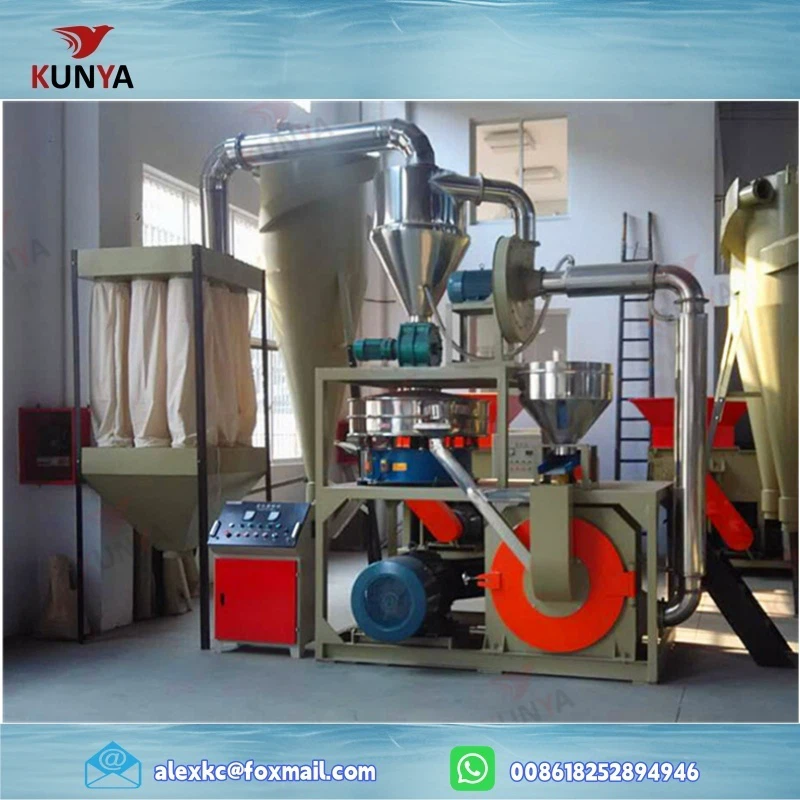
For example, if you're mixing plastic materials, you might need a mixer with a special coating on the mixing blades to prevent the plastic from sticking. If you're dealing with corrosive chemicals, you'll need a mixer made from corrosion-resistant materials. In some cases, you might also need to use additional equipment, such as a Plastic Grinder Pulverizer Machine or a Plastic Crusher, to prepare the materials before mixing.
Noise and Vibration
Vertical and Horizontal Mixers can generate a significant amount of noise and vibration during operation. Excessive noise can be a nuisance to the operators and may even cause hearing damage over time. Vibration can also affect the stability of the mixer and the surrounding equipment.
To reduce noise, you can install noise-absorbing materials in the mixing area. You can also choose a mixer with a low-noise design. For vibration, make sure that the mixer is properly installed on a vibration-damping pad. This will help to absorb the vibrations and prevent them from being transmitted to the floor and other equipment.
Power Supply
The mixer requires a stable power supply to operate. You need to make sure that the electrical system in the mixing area can handle the power requirements of the mixer. Check the voltage, current, and frequency ratings of the mixer and compare them with the available power supply.
If the power supply is unstable, it can cause the mixer to operate erratically or even damage the electrical components. You might need to use a voltage stabilizer or an uninterruptible power supply (UPS) to ensure a consistent power supply.
Safety Measures
Last but not least, safety should always be a top priority. Make sure that the mixer is equipped with all the necessary safety features, such as emergency stop buttons, safety guards, and overload protection. The operators should be properly trained on how to use the mixer safely and should always wear appropriate personal protective equipment (PPE), such as gloves, goggles, and earplugs.
In conclusion, using a Vertical and Horizontal Mixer requires careful consideration of the environmental requirements. By ensuring the right temperature, humidity, ventilation, cleanliness, space, and compatibility with materials, you can ensure that the mixer operates efficiently and safely. If you have any questions or need more information about our Vertical and Horizontal Mixers, don't hesitate to reach out. We're here to help you find the best solution for your mixing needs. Let's start a conversation and see how we can work together to improve your production process.
References
- "Industrial Mixer Handbook" - A comprehensive guide on the operation and maintenance of industrial mixers.
- Manufacturer's manuals for Vertical and Horizontal Mixers.
- Industry standards and regulations related to industrial equipment operation and environmental protection.