




What is a Conical Force Feeder?
 Nov 10, 2025|
 In the realm of industrial processing, the conical force feeder stands as a crucial piece of equipment, offering unparalleled precision and efficiency in material handling. As a leading supplier of conical force feeders, I am excited to delve into the intricacies of this remarkable device, exploring its functionality, applications, and the benefits it brings to various industries.
Understanding the Conical Force Feeder
At its core, a conical force feeder is a specialized device designed to accurately meter and convey bulk materials from a hopper or storage container into a processing system. The key feature of a conical force feeder is its conical-shaped feeding chamber, which tapers towards the discharge end. This unique design allows for a controlled and consistent flow of materials, ensuring precise dosing and feeding rates.

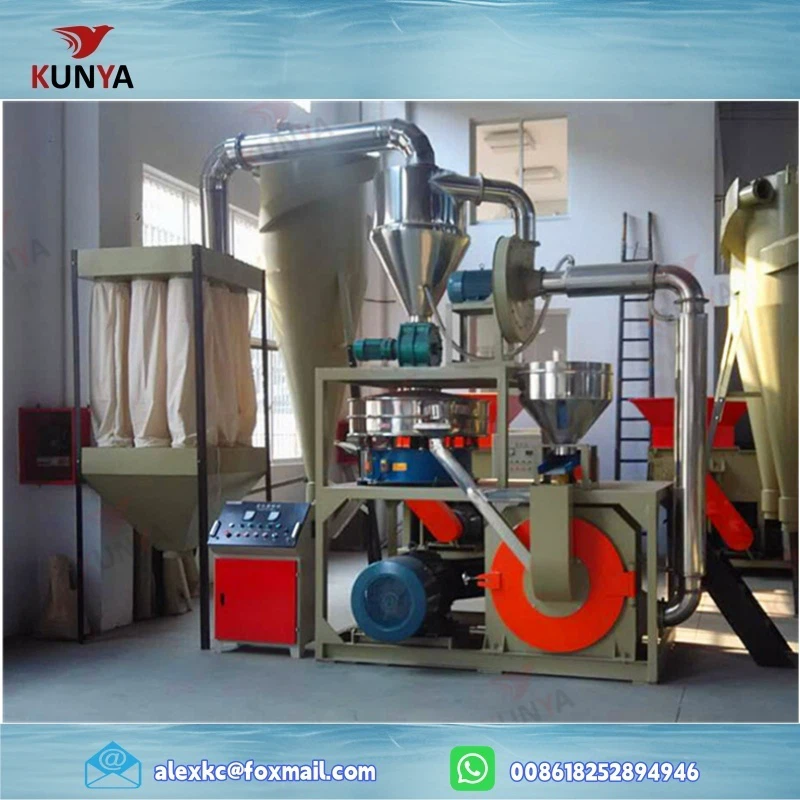
The operation of a conical force feeder is based on the principle of positive displacement. As the feeder's screw or auger rotates within the conical chamber, it exerts a gentle yet powerful force on the material, pushing it towards the discharge opening. The conical shape of the chamber helps to prevent bridging and rat-holing, which are common issues in traditional feeders, ensuring a continuous and reliable flow of materials.
Key Components of a Conical Force Feeder
A typical conical force feeder consists of several key components, each playing a vital role in its operation:
- Hopper: The hopper is the storage container that holds the bulk material to be fed. It is usually designed with a large capacity to ensure a continuous supply of material to the feeder.
- Conical Feeding Chamber: As mentioned earlier, the conical feeding chamber is the heart of the feeder. It is designed to provide a smooth and consistent flow of material towards the discharge opening.
- Screw or Auger: The screw or auger is responsible for conveying the material from the hopper to the discharge opening. It is typically driven by an electric motor or a gearbox, and its speed can be adjusted to control the feeding rate.
- Drive System: The drive system provides the power to rotate the screw or auger. It can be a direct drive system or a belt-driven system, depending on the specific requirements of the application.
- Control System: The control system is used to monitor and adjust the operation of the feeder. It can include sensors, controllers, and software to ensure accurate dosing and feeding rates.
Applications of Conical Force Feeders
Conical force feeders are widely used in a variety of industries, including plastics, food processing, pharmaceuticals, chemicals, and minerals. Some of the common applications of conical force feeders include:
- Plastics Processing: In the plastics industry, conical force feeders are used to accurately meter and convey plastic pellets, powders, and additives into injection molding machines, extruders, and other processing equipment. They help to ensure consistent product quality and reduce waste by providing precise dosing of materials.
- Food Processing: In the food industry, conical force feeders are used to feed ingredients such as flour, sugar, salt, and spices into mixers, blenders, and other processing equipment. They help to maintain the integrity of the ingredients and ensure consistent product quality.
- Pharmaceuticals: In the pharmaceutical industry, conical force feeders are used to accurately meter and convey active pharmaceutical ingredients (APIs), excipients, and other powders into tablet presses, capsule fillers, and other processing equipment. They help to ensure the accurate dosing of medications and comply with strict quality control standards.
- Chemicals: In the chemical industry, conical force feeders are used to feed chemicals such as powders, granules, and liquids into reactors, mixers, and other processing equipment. They help to ensure the safe and efficient handling of chemicals and prevent spills and leaks.
- Minerals: In the minerals industry, conical force feeders are used to feed ores, concentrates, and other materials into crushers, mills, and other processing equipment. They help to ensure a consistent feed rate and improve the efficiency of the processing operations.
Benefits of Using Conical Force Feeders
There are several benefits to using conical force feeders in industrial processing applications:
- Accurate Dosing: Conical force feeders provide accurate and consistent dosing of materials, ensuring precise control over the production process. This helps to improve product quality and reduce waste.
- Continuous Flow: The conical shape of the feeding chamber helps to prevent bridging and rat-holing, ensuring a continuous and reliable flow of materials. This reduces downtime and improves the efficiency of the processing operations.
- Versatility: Conical force feeders can be used to handle a wide range of materials, including powders, granules, pellets, and liquids. They can also be customized to meet the specific requirements of different applications.
- Easy to Clean and Maintain: Conical force feeders are designed with easy-to-clean features, such as removable hoppers and screw augers. This makes them easy to maintain and reduces the risk of cross-contamination between different batches of materials.
- Cost-Effective: Conical force feeders are a cost-effective solution for industrial processing applications. They offer high accuracy and reliability at a relatively low cost, making them a popular choice for many manufacturers.
Related Products
In addition to conical force feeders, we also offer a range of related products that can enhance the performance of your processing system. These include Plastic Grinder Pulverizer Machine, Industrial Baghouse Dust Collectors, and Vertical and Horizontal Mixer. These products are designed to work together seamlessly, providing a complete solution for your material handling and processing needs.
Contact Us for Procurement and Negotiation
If you are interested in learning more about our conical force feeders or any of our other products, please do not hesitate to contact us. Our team of experts is available to answer your questions, provide technical support, and help you find the right solution for your specific application. We look forward to the opportunity to work with you and help you achieve your production goals.
References
- "Handbook of Powder Technology: Volume 1 - Particle Size Analysis" by A. D. Sarma
- "Industrial Mixing: Science and Practice" by Edward L. Paul, Victor A. Atiemo-Obeng, and Suzanne M. Kresta
- "Powder Handling and Processing Handbook" by George Klinzing, Michael Weinstein, and David E. Geldart