




What is the effect of the cutter speed on the pellet quality of a Polymer Pelletizer?
 Nov 07, 2025|
 Hey there! As a supplier of Polymer Pelletizers, I've been getting a lot of questions lately about how cutter speed affects the pellet quality. So, I thought I'd take a deep dive into this topic and share my insights with you all.
First off, let's talk a bit about what a Polymer Pelletizer does. It's a machine that turns polymer materials into small, uniform pellets. These pellets are then used in a wide range of industries, from automotive to packaging. The quality of these pellets is super important, as it can affect the performance of the final product.
Now, the cutter speed is one of the key factors that can have a big impact on pellet quality. When we talk about cutter speed, we're referring to how fast the blades in the pelletizer are rotating. This speed can be adjusted depending on the type of polymer being processed and the desired pellet size and shape.
One of the main effects of cutter speed on pellet quality is the size and shape of the pellets. If the cutter speed is too slow, the pellets may be too large and irregular in shape. This is because the polymer may not be cut cleanly, resulting in chunks that are bigger than the desired size. On the other hand, if the cutter speed is too fast, the pellets may be too small and may even have a lot of dust or fines. This is because the high - speed cutting can cause the polymer to break into smaller pieces and generate more dust.

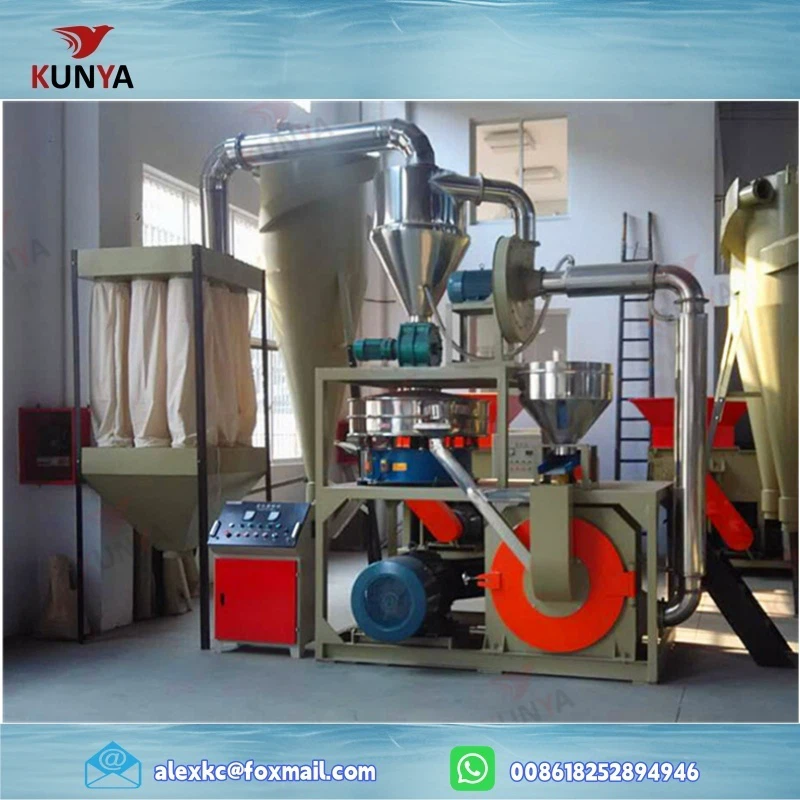
Let's take a closer look at some of the specific aspects affected by cutter speed.
Surface Finish
The surface finish of the pellets is crucial. A good surface finish can improve the flowability of the pellets during processing and also enhance the appearance of the final product. When the cutter speed is appropriate, the blades can make clean cuts through the polymer, resulting in smooth - surfaced pellets. However, if the speed is too high, the friction between the blades and the polymer can generate heat, which may cause the surface of the pellets to melt slightly. This can lead to a rough or sticky surface, which is not ideal.
Density
The density of the pellets is another important factor. Proper cutter speed helps in achieving a consistent density across all the pellets. If the cutter speed is incorrect, the density can vary. For example, if the speed is too slow, the polymer may not be compacted properly during the cutting process, resulting in lower - density pellets. These low - density pellets may have different physical properties and can cause issues during downstream processing.
Dust Generation
Dust generation is a major concern in pelletizing operations. Excessive dust can not only create a messy working environment but also pose health risks to the workers. High cutter speeds are more likely to generate dust because the rapid cutting can break the polymer into smaller particles. To deal with dust, you might want to consider using Industrial Baghouse Dust Collectors. These collectors can effectively capture the dust and keep your workplace clean and safe.
Pellet Consistency
Consistency in pellet size, shape, and quality is essential for any manufacturing process. A well - adjusted cutter speed ensures that each pellet is as similar as possible to the others. This consistency is important because it allows for more predictable processing in the subsequent steps. For instance, if you're using these pellets in an injection - molding machine, consistent pellets will result in more uniform products.
Now, how do you determine the right cutter speed? Well, it depends on several factors. The type of polymer is a big one. Different polymers have different melting points, viscosities, and mechanical properties. For example, a high - viscosity polymer may require a slower cutter speed to ensure clean cuts, while a low - viscosity polymer can handle a higher speed.
The design of the pelletizer also plays a role. Some pelletizers are designed to operate at specific speed ranges for optimal performance. You should always refer to the manufacturer's guidelines for the recommended cutter speed based on the polymer you're processing.
Another thing to consider is the desired pellet size. If you need larger pellets, you may want to use a slower cutter speed, and for smaller pellets, a higher speed might be appropriate. But remember, it's a balancing act, and you need to find the sweet spot that gives you the best pellet quality.
In addition to the cutter speed, there are other factors that can work in tandem to improve pellet quality. For example, using a Plastic Hopper Dryer can ensure that the polymer is dry before it enters the pelletizer. Moisture in the polymer can affect the cutting process and the quality of the pellets. A dryer can remove any excess moisture, resulting in better - quality pellets.
Also, a Plastic Grinder Pulverizer Machine can be useful if you need to recycle or re - process any scrap polymer. It can break down the polymer into smaller pieces that can then be re - introduced into the pelletizing process.
In conclusion, cutter speed is a critical factor in determining the quality of polymer pellets. It affects the size, shape, surface finish, density, dust generation, and consistency of the pellets. As a Polymer Pelletizer supplier, I know how important it is to get this right. If you're in the market for a pelletizer or need advice on optimizing your pelletizing process, don't hesitate to reach out. We're here to help you achieve the best pellet quality possible. Whether you're a small - scale operation or a large - scale manufacturer, we can provide you with the right equipment and guidance.
So, if you're looking to improve your pellet quality and want to learn more about how cutter speed can be adjusted to meet your specific needs, just drop us a line. We'll be happy to have a chat and discuss your requirements. Let's work together to take your pelletizing process to the next level!
References
- "Polymer Processing: Principles and Practice" by Christopher Rauwendaal
- "Handbook of Plastic Materials and Technology" edited by Irvin I. Rubin