




What is the mixing efficiency of a Vertical and Horizontal Mixer?
 Aug 21, 2025|
 As a supplier of Vertical and Horizontal Mixers, I often encounter inquiries about the mixing efficiency of these essential pieces of equipment. In this blog, I'll delve into the concept of mixing efficiency, explore the factors that influence it in both vertical and horizontal mixers, and highlight why understanding this is crucial for various industries.
Understanding Mixing Efficiency
Mixing efficiency refers to the ability of a mixer to achieve a homogeneous blend of different materials within a specified time frame. A highly efficient mixer ensures that all components are evenly distributed, resulting in a consistent final product. This is of utmost importance in industries such as plastics, food processing, pharmaceuticals, and chemicals, where product quality and consistency are non - negotiable.
Factors Affecting Mixing Efficiency in Vertical and Horizontal Mixers
1. Mixer Design
- Vertical Mixers: These mixers typically feature a central shaft with blades or paddles that rotate to lift and mix the materials. The vertical design allows for gravity to assist in the mixing process. The height - to - diameter ratio of the mixing chamber plays a significant role. A taller chamber may provide more vertical movement, enhancing the mixing of materials with different densities. However, if the chamber is too tall, it may lead to uneven mixing at the bottom.
- Horizontal Mixers: Horizontal mixers have a horizontal shaft with mixing elements. The design often includes a trough - shaped chamber. The length of the trough and the arrangement of the mixing elements can greatly affect the mixing efficiency. Longer troughs can provide more residence time for the materials, allowing for better mixing. The shape and orientation of the mixing elements, such as helical or paddle - shaped, also influence how the materials are moved and blended.
2. Material Properties
- Particle Size and Shape: Materials with different particle sizes and shapes can pose challenges to mixing efficiency. For example, in a plastic recycling process where you might use a Plastic Grinder Pulverizer Machine to reduce the size of plastic waste, the resulting particles may vary in size. Smaller particles tend to move more easily and can be incorporated into the mixture faster than larger ones. Irregularly shaped particles may also affect the flow patterns within the mixer, potentially leading to uneven mixing.
- Density: When mixing materials with different densities, such as polymers and additives, the density difference can cause segregation. In a vertical mixer, heavier materials may settle at the bottom, while lighter ones may float to the top. Horizontal mixers can sometimes mitigate this issue by providing more horizontal movement and shear forces to keep the materials well - mixed.
3. Mixing Speed and Time
- Mixing Speed: The rotational speed of the mixer's shaft directly impacts the mixing efficiency. Higher speeds generally increase the shear forces acting on the materials, which can break up agglomerates and promote better mixing. However, excessive speed can also cause the materials to become airborne or create a vortex, leading to uneven mixing. In some cases, a combination of high - speed and low - speed mixing phases may be required to achieve optimal results.
- Mixing Time: The duration of the mixing process is another critical factor. Insufficient mixing time may result in an incomplete blend, while over - mixing can be wasteful in terms of energy and may even degrade the materials. Determining the appropriate mixing time depends on the type of materials, the mixer design, and the desired level of homogeneity.
Comparing the Mixing Efficiency of Vertical and Horizontal Mixers
1. Homogeneity
- Vertical Mixers: These are often better at achieving vertical mixing, which can be beneficial for materials that require a certain amount of vertical movement to blend properly. However, achieving horizontal homogeneity can be more challenging, especially for larger batches. In some applications where a high degree of horizontal uniformity is required, additional mixing steps or modifications to the mixer design may be necessary.
- Horizontal Mixers: Horizontal mixers generally excel at providing horizontal mixing. The continuous movement of the materials along the trough helps to ensure that all parts of the mixture are well - integrated. This makes them a popular choice for applications where a high level of horizontal and overall homogeneity is crucial, such as in the production of high - quality polymer blends using a Polymer Pelletizer.
2. Batch Size
- Vertical Mixers: They are typically more suitable for smaller to medium - sized batches. The vertical design allows for efficient use of space, but as the batch size increases, it can become more difficult to achieve uniform mixing throughout the entire volume.
- Horizontal Mixers: These are better equipped to handle larger batches. The horizontal orientation provides more surface area for the materials to spread out, and the continuous movement along the trough helps to maintain good mixing even with a large quantity of materials.
3. Energy Efficiency
- Vertical Mixers: In general, vertical mixers consume less energy for smaller batches due to their relatively simple design and the assistance of gravity. However, for larger batches, the energy required to lift and mix the materials can increase significantly.
- Horizontal Mixers: While they may require more initial energy to start the mixing process, they can be more energy - efficient for larger batches. The continuous horizontal movement of the materials reduces the need for excessive lifting, resulting in a more balanced energy consumption over time.
Importance of Mixing Efficiency in Different Industries
1. Plastics Industry
In the plastics industry, achieving high mixing efficiency is essential for producing consistent plastic products. Whether it's blending polymers with additives, colorants, or recycled materials, a well - mixed batch ensures uniform properties such as strength, color, and texture. Our Vertical and Horizontal Mixer can be customized to meet the specific requirements of plastic manufacturers, helping them to produce high - quality plastic products efficiently.
2. Food Processing Industry
In food processing, mixing efficiency directly impacts the taste, texture, and safety of the final product. For example, when mixing ingredients for bakery products, a homogeneous blend ensures that the dough rises evenly and has a consistent flavor. Our mixers are designed to meet strict food safety standards, providing reliable and efficient mixing solutions for food manufacturers.
3. Pharmaceutical Industry
The pharmaceutical industry demands the highest level of mixing efficiency to ensure the efficacy and safety of medications. Precise blending of active ingredients and excipients is crucial for producing tablets, capsules, and other pharmaceutical products. Our mixers can be equipped with advanced control systems to ensure accurate and consistent mixing, meeting the stringent requirements of the pharmaceutical industry.
Conclusion
The mixing efficiency of vertical and horizontal mixers is influenced by a variety of factors, including mixer design, material properties, mixing speed, and time. Each type of mixer has its own advantages and disadvantages, and the choice between them depends on the specific requirements of the application, such as batch size, desired homogeneity, and energy efficiency.
As a supplier of Vertical and Horizontal Mixers, we understand the importance of providing high - quality equipment that meets the diverse needs of our customers. Our mixers are designed with the latest technology and engineering principles to ensure optimal mixing efficiency.
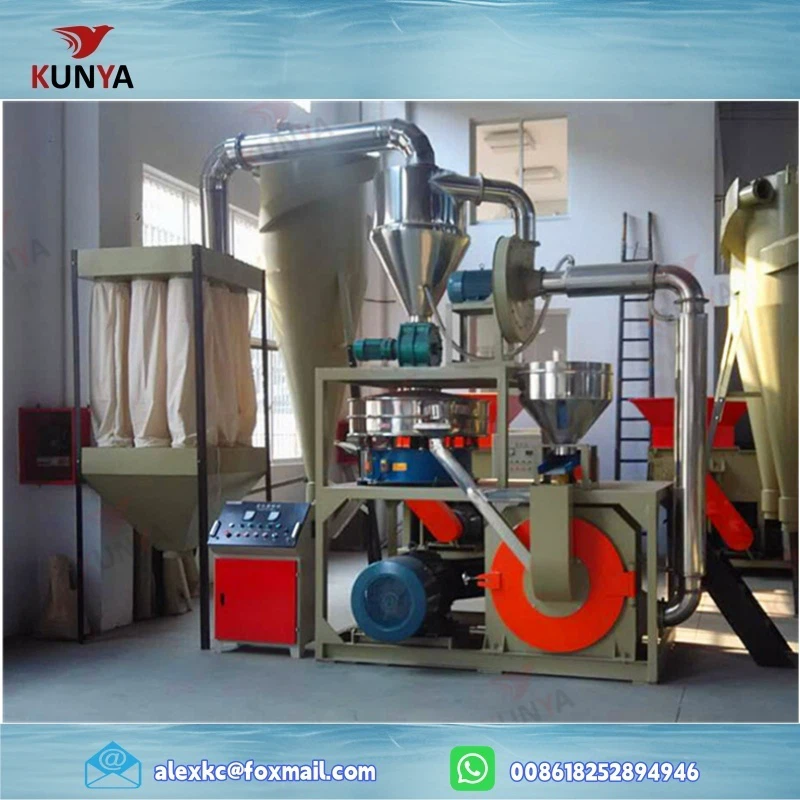

If you are looking for a reliable mixing solution for your industry, we encourage you to contact us for procurement and further discussions. Our team of experts is ready to assist you in selecting the right mixer for your specific requirements and to provide you with the best possible service.
References
- "Mixing Technology in the Chemical and Process Industries" by Paul A. Weber
- "Food Mixing and Blending Technology" by Y. H. Hui
- "Pharmaceutical Blending Technology" by G. A. Brooker