




What is the role of the control panel in a Polymer Pelletizer?
 Sep 05, 2025|
 Hey there! As a supplier of Polymer Pelletizers, I've had my fair share of experiences with these nifty machines. And one component that often gets overlooked but plays a crucial role is the control panel. So, let's dive into what the role of the control panel in a Polymer Pelletizer really is.

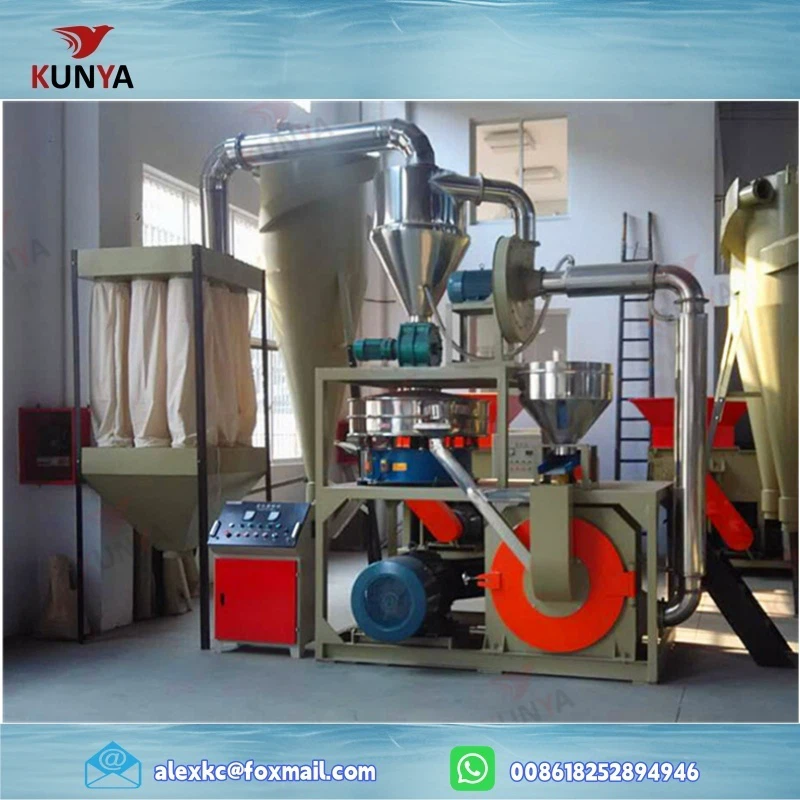
First off, what's a Polymer Pelletizer? Well, it's a machine that turns polymers into small, uniform pellets. These pellets are super important in the plastics industry as they're easier to handle, transport, and use in various manufacturing processes. Whether it's making plastic bottles, toys, or automotive parts, polymer pellets are the building blocks.
Now, let's talk about the control panel. Think of it as the brain of the Polymer Pelletizer. It's where all the magic happens in terms of controlling and monitoring the machine's operations.
1. Operational Control
One of the primary roles of the control panel is to control the basic operations of the pelletizer. You can start and stop the machine right from the panel. That might sound simple, but it's a crucial function. It allows operators to quickly respond to any issues that might arise during the pelletizing process.
For example, if there's a blockage in the system, the operator can hit the stop button on the control panel to prevent any further damage to the machine. And when everything's sorted out, they can easily restart the pelletizer to keep the production going.
The control panel also lets you adjust the speed of the pelletizer. Different polymers require different processing speeds to ensure high - quality pellets. Some polymers might need a slower speed to allow for proper melting and cutting, while others can handle a faster pace. With the control panel, operators can fine - tune the speed according to the specific polymer they're working with.
2. Parameter Setting
Another vital role is setting the various parameters of the pelletizing process. This includes things like temperature, pressure, and cutting length.
Temperature control is extremely important. Polymers need to be heated to the right temperature to melt properly. If the temperature is too low, the polymer won't melt completely, resulting in uneven pellets. On the other hand, if it's too high, the polymer might degrade, affecting the quality of the final product. The control panel allows operators to set and monitor the temperature accurately, ensuring optimal melting conditions.
Pressure is also a key parameter. The right pressure is needed to force the molten polymer through the die and into the cutting mechanism. The control panel enables operators to adjust the pressure to achieve the desired flow rate and pellet shape.
Cutting length is what determines the size of the pellets. Depending on the end - use of the pellets, different cutting lengths might be required. The control panel gives operators the ability to set the cutting length precisely, so they can produce pellets of the exact size needed for their customers.
3. Monitoring and Feedback
The control panel acts as a monitoring station for the Polymer Pelletizer. It provides real - time information about the machine's performance. Operators can see things like the current temperature, pressure, speed, and the number of pellets being produced.
This real - time feedback is invaluable. It allows operators to detect any deviations from the set parameters early on. For instance, if the temperature starts to rise above the set value, the operator can take immediate action to correct it. This helps in preventing quality issues and reducing waste.
The control panel can also display error messages. If there's a problem with the machine, such as a malfunctioning sensor or a blocked filter, the panel will show an error code. This makes it easier for technicians to diagnose and fix the problem quickly, minimizing downtime.
4. Integration with Other Equipment
In a modern plastics manufacturing facility, a Polymer Pelletizer doesn't work in isolation. It often needs to be integrated with other equipment, such as an Auto Weighing Feeding System, a Plastic Crusher, or a Plastic Grinder Pulverizer Machine.
The control panel plays a crucial role in this integration. It can communicate with these other pieces of equipment, allowing for a seamless and coordinated production process. For example, the control panel of the pelletizer can receive signals from the auto - weighing feeding system to adjust the feed rate based on the production requirements.
This integration also helps in optimizing the overall production line. By synchronizing the operations of different equipment, manufacturers can improve efficiency, reduce costs, and produce higher - quality products.
5. Data Logging and Analysis
Many modern control panels come with data - logging capabilities. They can record all the operating parameters and performance data of the Polymer Pelletizer over time. This data can be extremely useful for analysis.
Manufacturers can use this data to identify trends in the production process. For example, they might notice that the temperature fluctuates at certain times of the day or that the pellet quality varies depending on the production speed. By analyzing this data, they can make informed decisions to improve the process, such as adjusting the operating parameters or performing preventive maintenance.
Data logging also helps in quality control. Manufacturers can use the recorded data to prove that their products meet the required standards. This can be important for regulatory compliance and customer satisfaction.
Why Our Control Panels Stand Out
As a Polymer Pelletizer supplier, we take great pride in the control panels we offer. Our control panels are designed with the latest technology to provide maximum functionality and ease of use.
They have a user - friendly interface that makes it easy for operators to navigate and set the parameters. Even operators with limited technical knowledge can quickly learn how to operate the control panel.
Our control panels are also highly reliable. They're built to withstand the harsh industrial environment and are tested rigorously to ensure long - term performance.
In addition, we offer excellent customer support. If you have any questions or need help with your control panel, our team of experts is always ready to assist you.
Let's Talk Business
If you're in the market for a Polymer Pelletizer or looking to upgrade your existing machine, we'd love to hear from you. Our control panels, along with our high - quality pelletizers, can help you improve your production efficiency, reduce costs, and produce top - notch polymer pellets.
Contact us today to start a conversation about your specific needs. We're confident that we can provide you with the right solution for your business.
References
- Polymer Processing Handbook, Second Edition, Edited by Z. Tadmor and C. G. Gogos
- Plastics Extrusion Technology, Third Edition, by Allan A. Griff
- Modern Plastics Encyclopedia, annual publication by Plastics Technology magazine