




What is the corrosion resistance of a Vertical and Horizontal Mixer?
 Sep 30, 2025|
 In the dynamic world of industrial machinery, vertical and horizontal mixers stand as indispensable workhorses, facilitating the efficient blending of various materials across multiple sectors. As a leading supplier of vertical and horizontal mixers, I am acutely aware of the significance of corrosion resistance in these critical pieces of equipment. This blog post aims to delve into the concept of corrosion resistance in vertical and horizontal mixers, exploring its importance, influencing factors, and the measures we take to ensure optimal performance.
The Significance of Corrosion Resistance
Corrosion is a natural process that occurs when metals react with their environment, leading to the deterioration of their physical and chemical properties. In the context of vertical and horizontal mixers, corrosion can have far - reaching consequences. Firstly, it can compromise the structural integrity of the mixer. Over time, corroded parts may weaken, leading to mechanical failures such as leaks, misalignments, or even complete breakdowns. This not only disrupts production but also incurs significant repair and replacement costs.
Secondly, corrosion can contaminate the materials being mixed. In industries such as food, pharmaceuticals, and chemicals, product purity is of utmost importance. Corroded surfaces can shed particles into the mixture, affecting the quality and safety of the final product. This can lead to product recalls, damage to brand reputation, and potential legal liabilities.
Thirdly, corrosion can reduce the efficiency of the mixer. As the surface of the mixing components becomes rough due to corrosion, it can increase friction, requiring more energy to operate the mixer. This results in higher energy consumption and increased operational costs.
Factors Affecting Corrosion Resistance
Material Selection
The choice of materials is one of the most critical factors influencing the corrosion resistance of vertical and horizontal mixers. Stainless steel is a popular choice due to its excellent corrosion - resistant properties. It contains chromium, which forms a thin, passive oxide layer on the surface of the metal. This layer acts as a barrier, preventing further oxidation and corrosion. Different grades of stainless steel offer varying levels of corrosion resistance, depending on their composition. For example, 316 stainless steel contains molybdenum, which enhances its resistance to pitting and crevice corrosion, making it suitable for use in more aggressive environments.
Carbon steel is another commonly used material, but it is more prone to corrosion compared to stainless steel. However, carbon steel can be coated or treated to improve its corrosion resistance. For instance, applying a protective paint coating or using galvanization can provide a barrier between the steel and the corrosive environment.
Environmental Conditions
The environment in which the mixer operates plays a significant role in determining its corrosion resistance. Factors such as humidity, temperature, and the presence of corrosive substances can accelerate the corrosion process. In high - humidity environments, water vapor can condense on the surface of the mixer, providing an electrolyte for the corrosion reaction. Elevated temperatures can also increase the rate of corrosion by accelerating chemical reactions.
The presence of corrosive substances, such as acids, alkalis, and salts, can have a severe impact on the mixer. For example, in the chemical industry, mixers may come into contact with highly corrosive chemicals. In such cases, special materials or protective linings may be required to ensure the long - term durability of the mixer.
Design and Construction
The design and construction of the mixer can also affect its corrosion resistance. Poorly designed mixers may have areas where moisture or corrosive substances can accumulate, such as crevices, corners, or dead zones. These areas are more prone to corrosion due to the lack of proper drainage and ventilation.

Proper welding and fabrication techniques are also essential. Welds can be potential sites for corrosion if not properly executed. Inadequate welding can lead to the formation of micro - cracks or uneven surfaces, which can initiate corrosion. Therefore, it is crucial to use high - quality welding processes and ensure proper post - weld treatment to improve the corrosion resistance of the welded joints.
Our Approach to Ensuring Corrosion Resistance
As a supplier of vertical and horizontal mixers, we take several measures to ensure the high corrosion resistance of our products.
Material Sourcing
We source high - quality materials from reputable suppliers. Our stainless steel components are made from top - grade alloys, carefully selected based on the specific requirements of the application. We conduct strict quality control checks on the incoming materials to ensure their compliance with industry standards.
Advanced Coating Technologies
In addition to using corrosion - resistant materials, we also employ advanced coating technologies to enhance the corrosion resistance of our mixers. For example, we offer epoxy coatings that provide a durable and chemical - resistant barrier. These coatings can be customized to meet the specific needs of different applications, providing protection against a wide range of corrosive substances.
Optimal Design
Our engineering team designs our vertical and horizontal mixers with corrosion resistance in mind. We use computer - aided design (CAD) software to optimize the shape and structure of the mixer, eliminating potential areas for corrosion. We ensure proper drainage and ventilation in the design to prevent the accumulation of moisture and corrosive substances.
Quality Control
We have a comprehensive quality control system in place to ensure that every mixer meets our high standards of corrosion resistance. Each mixer undergoes rigorous testing before leaving the factory. We conduct salt spray tests, immersion tests, and other corrosion - related tests to evaluate the performance of the mixer in simulated corrosive environments.
Related Equipment and Their Corrosion Resistance
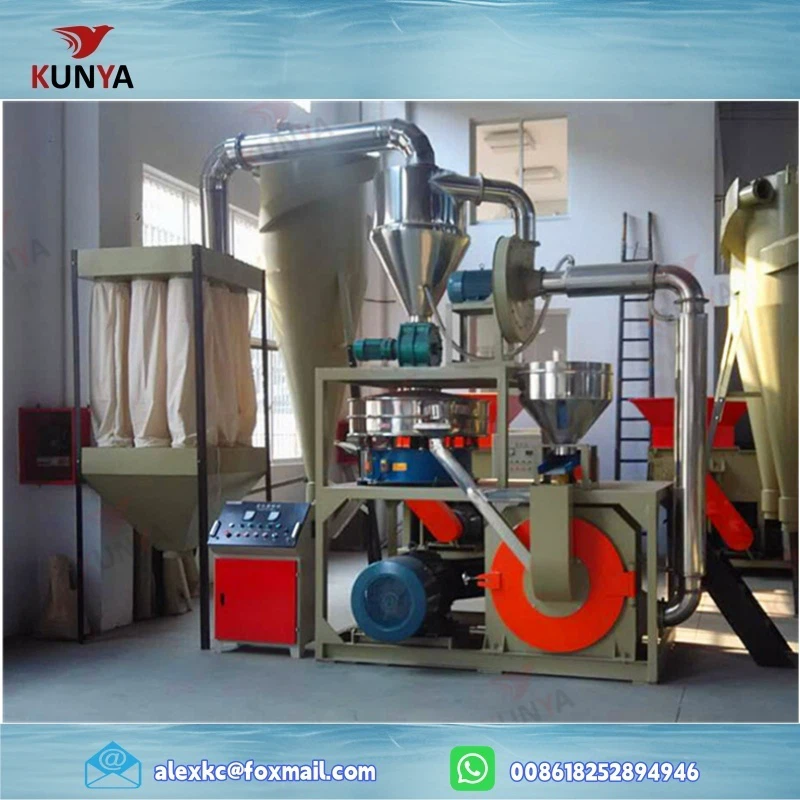
In addition to vertical and horizontal mixers, we also offer a range of related equipment such as Plastic Crusher, Conical Force Feeder, and Plastic Grinder Pulverizer Machine. These equipment also face similar corrosion challenges, and we apply the same principles of material selection, design, and quality control to ensure their corrosion resistance.
Conclusion
Corrosion resistance is a crucial aspect of the performance and longevity of vertical and horizontal mixers. By understanding the factors that affect corrosion resistance and taking appropriate measures to address them, we can ensure that our mixers provide reliable and efficient service in various industrial applications.
If you are in the market for a high - quality vertical or horizontal mixer with excellent corrosion resistance, we invite you to contact us for a detailed discussion. Our team of experts is ready to assist you in selecting the right mixer for your specific needs and providing you with the best solutions.
References
- Fontana, M. G. (1986). Corrosion Engineering. McGraw - Hill.
- Uhlig, H. H., & Revie, R. W. (1985). Corrosion and Corrosion Control. Wiley - Interscience.
- ASM Handbook Committee. (1996). ASM Handbook: Corrosion. ASM International.